

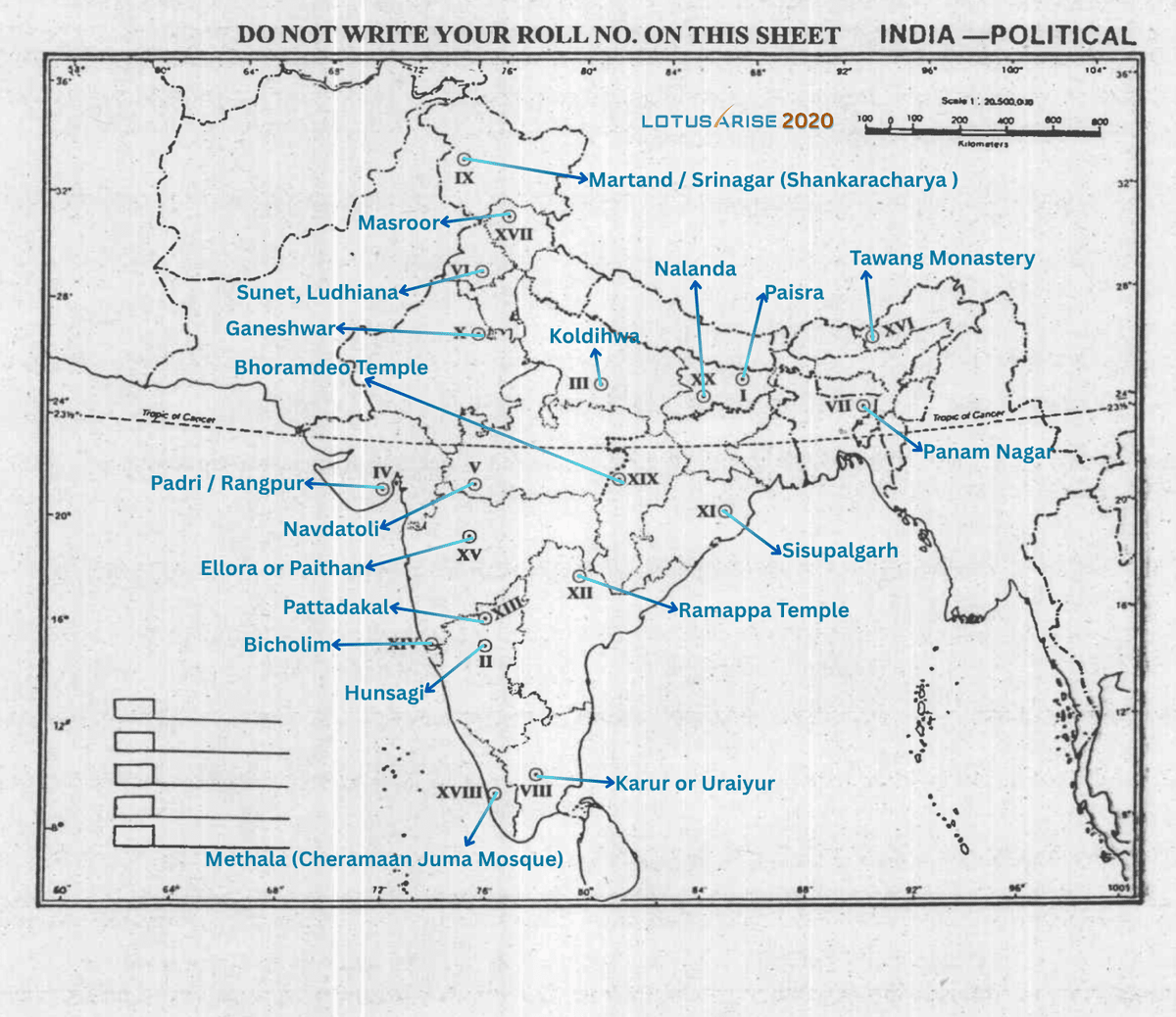
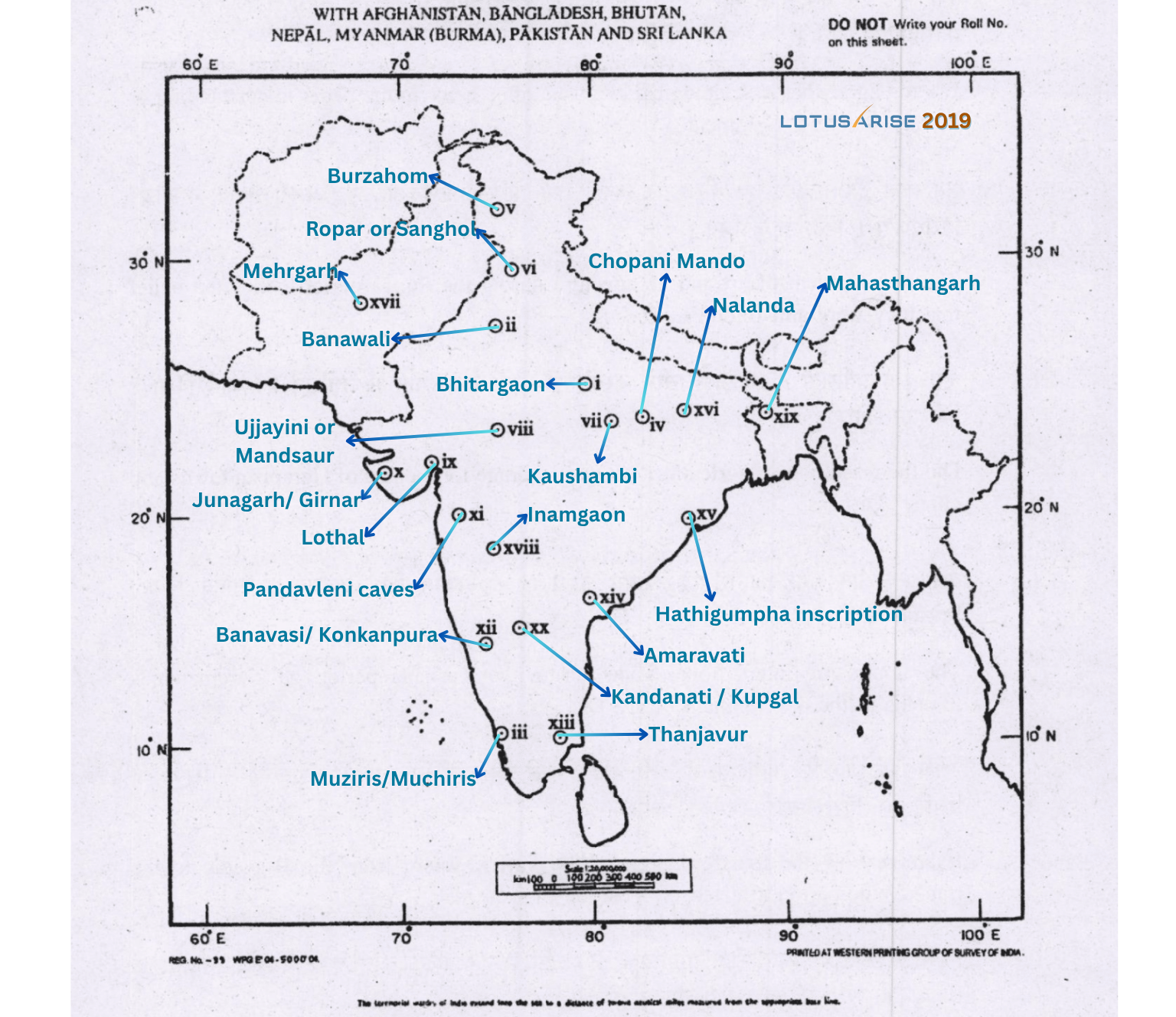
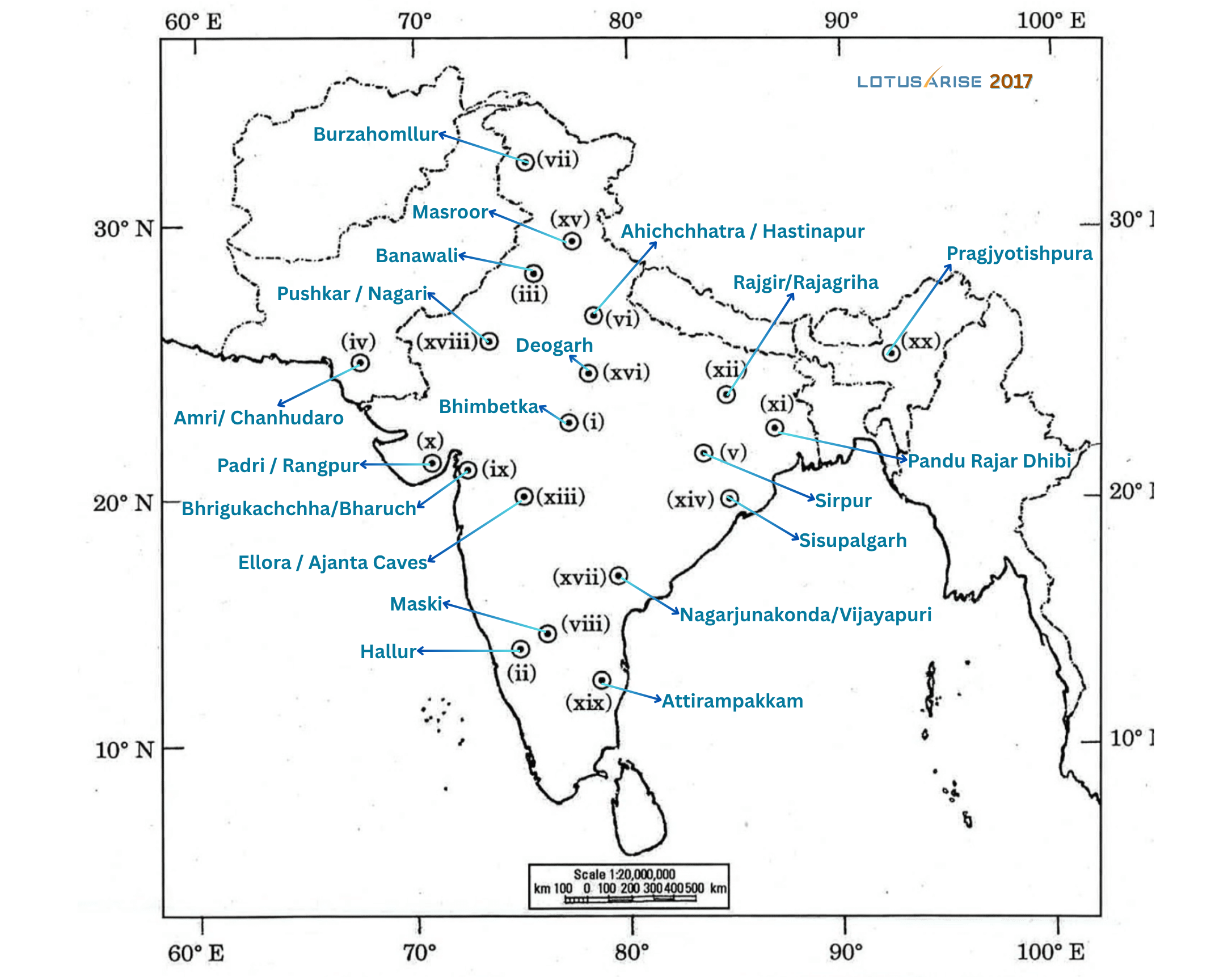
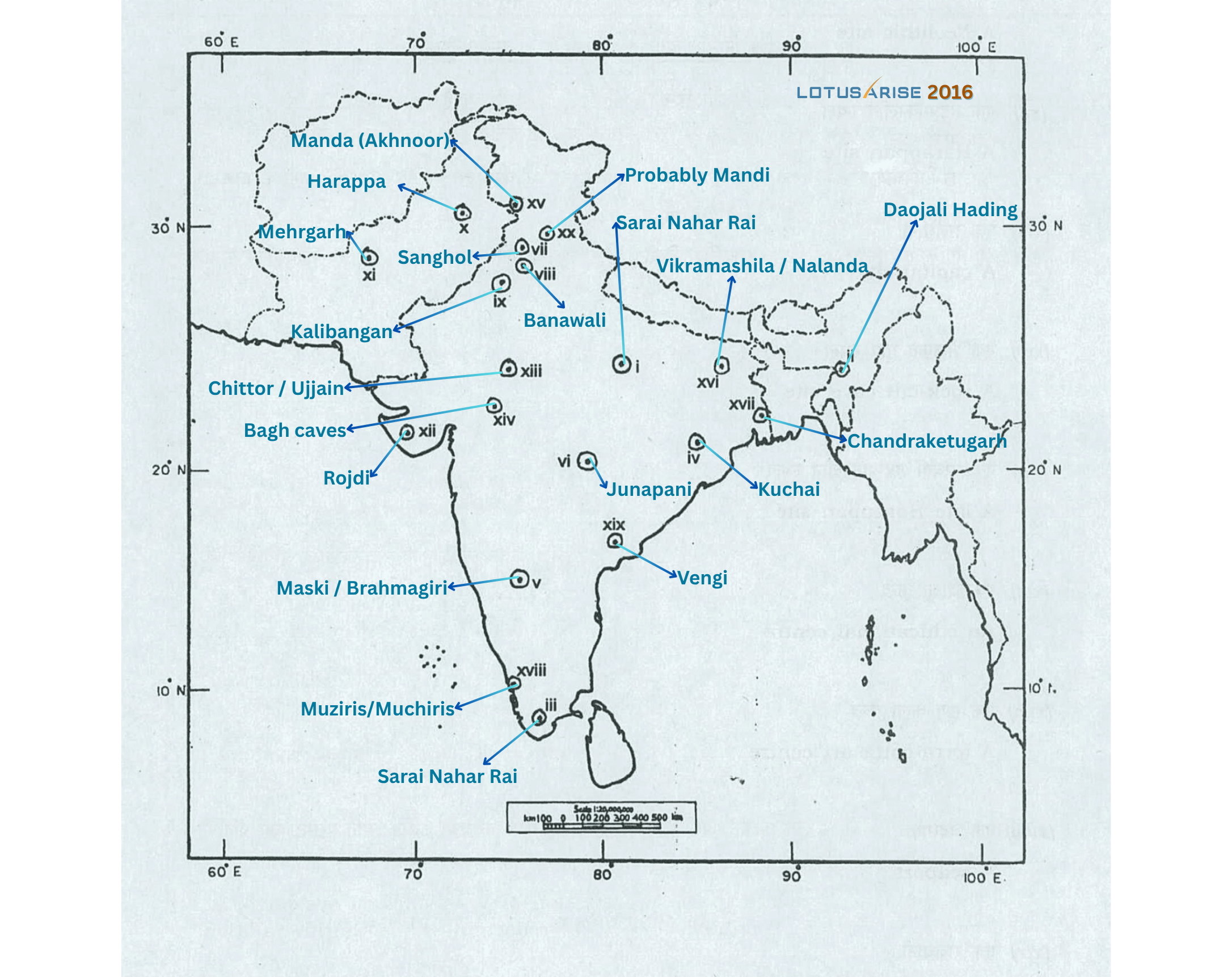
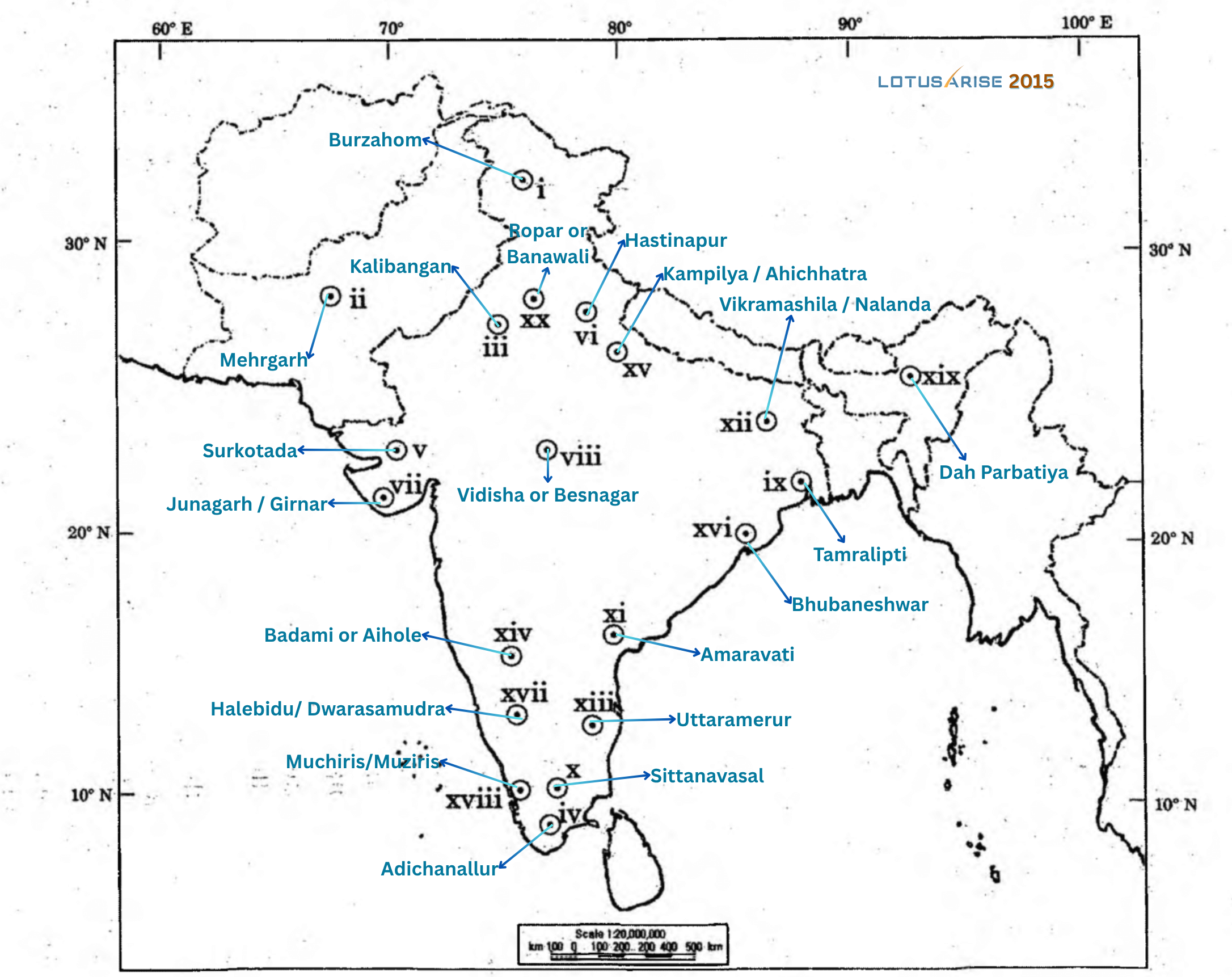
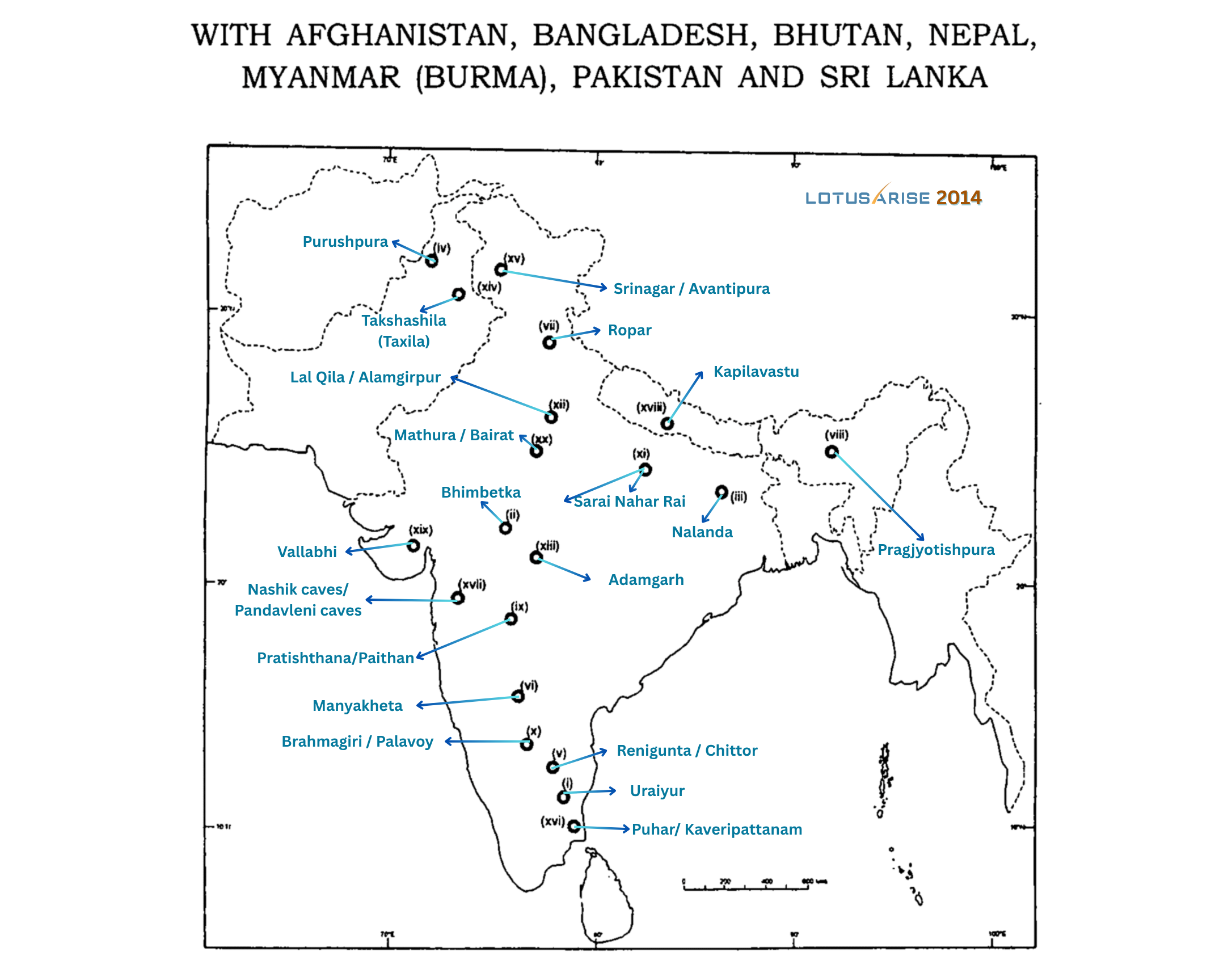
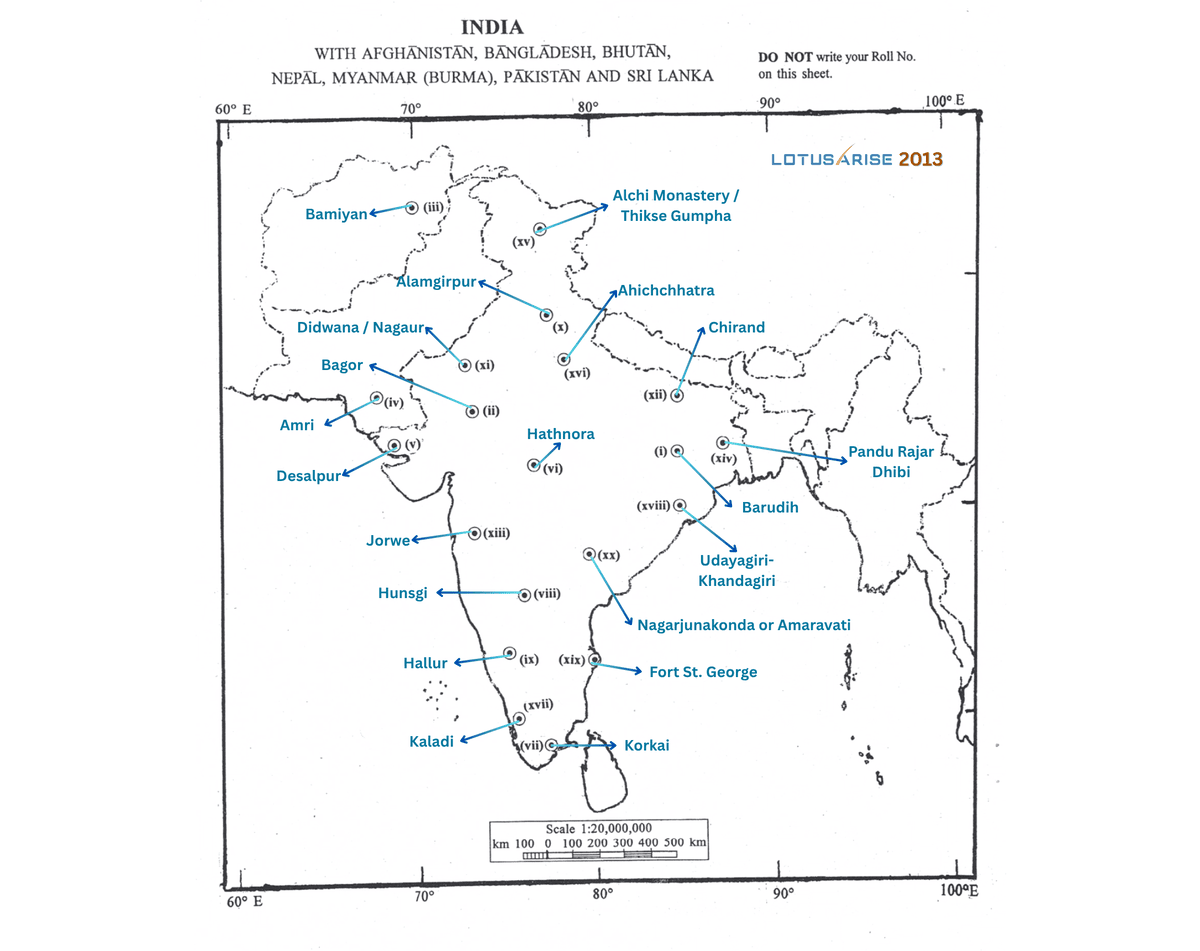
The map question is Question 1 of Paper I in the UPSC History Optional examination: 20 places marked on an outline map, 2.5 marks each, 50 marks in total, with a note of about 30 words expected on every one. It is compulsory, it is the first thing you will see, and it is the only section of the optional where recall cannot be replaced by reasoning.
It is also the section most aspirants under-prepare. Below are the solved map answers for every year from 2013 to 2025 — each site identified, located, dated and explained, free to read.
Solved map answers, year by year
- UPSC History Optional Map Solution 2025 — all 20 identifications solved with 30-word notes
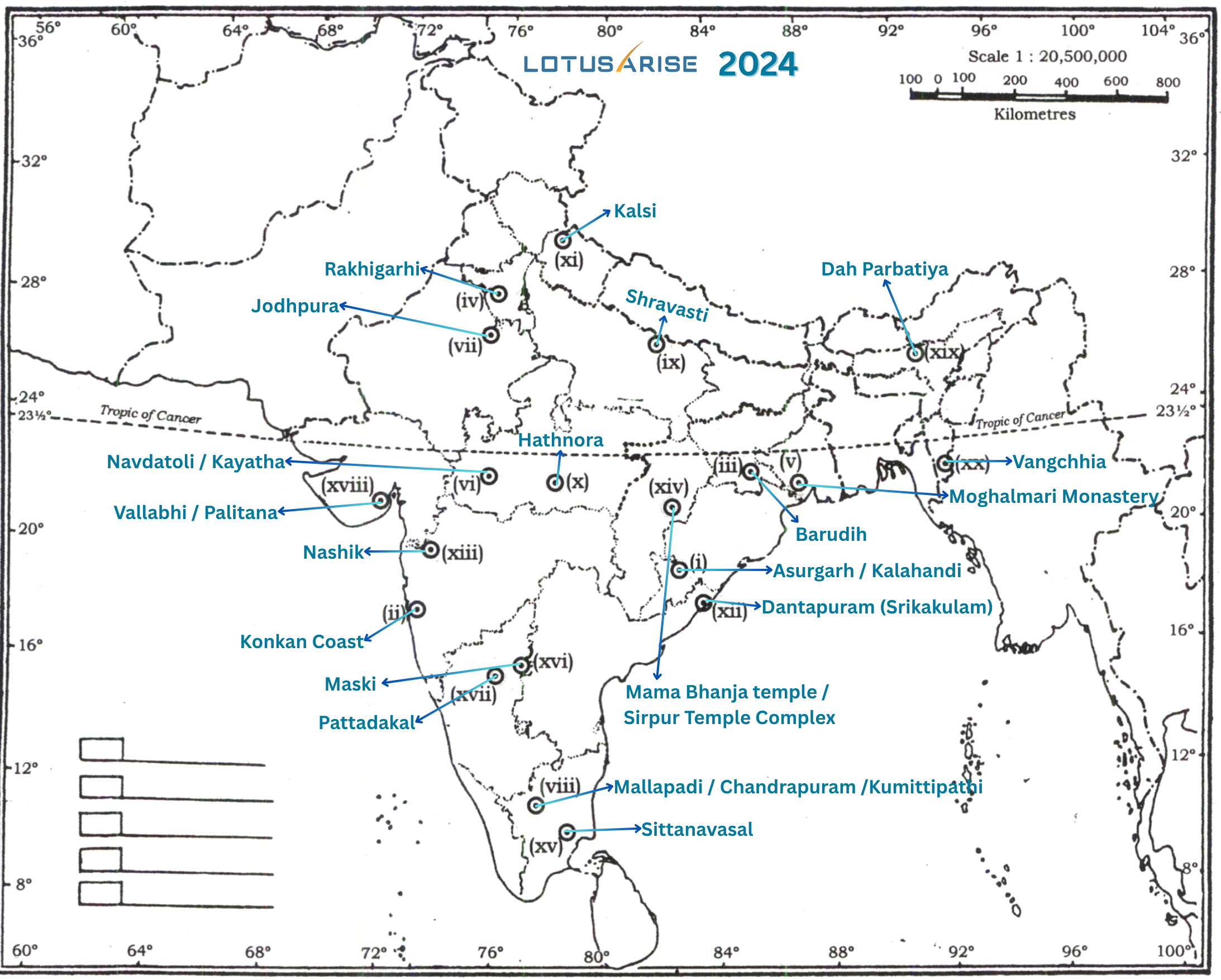
- UPSC History Optional Map Solution 2024 — all 20 identifications solved with 30-word notes
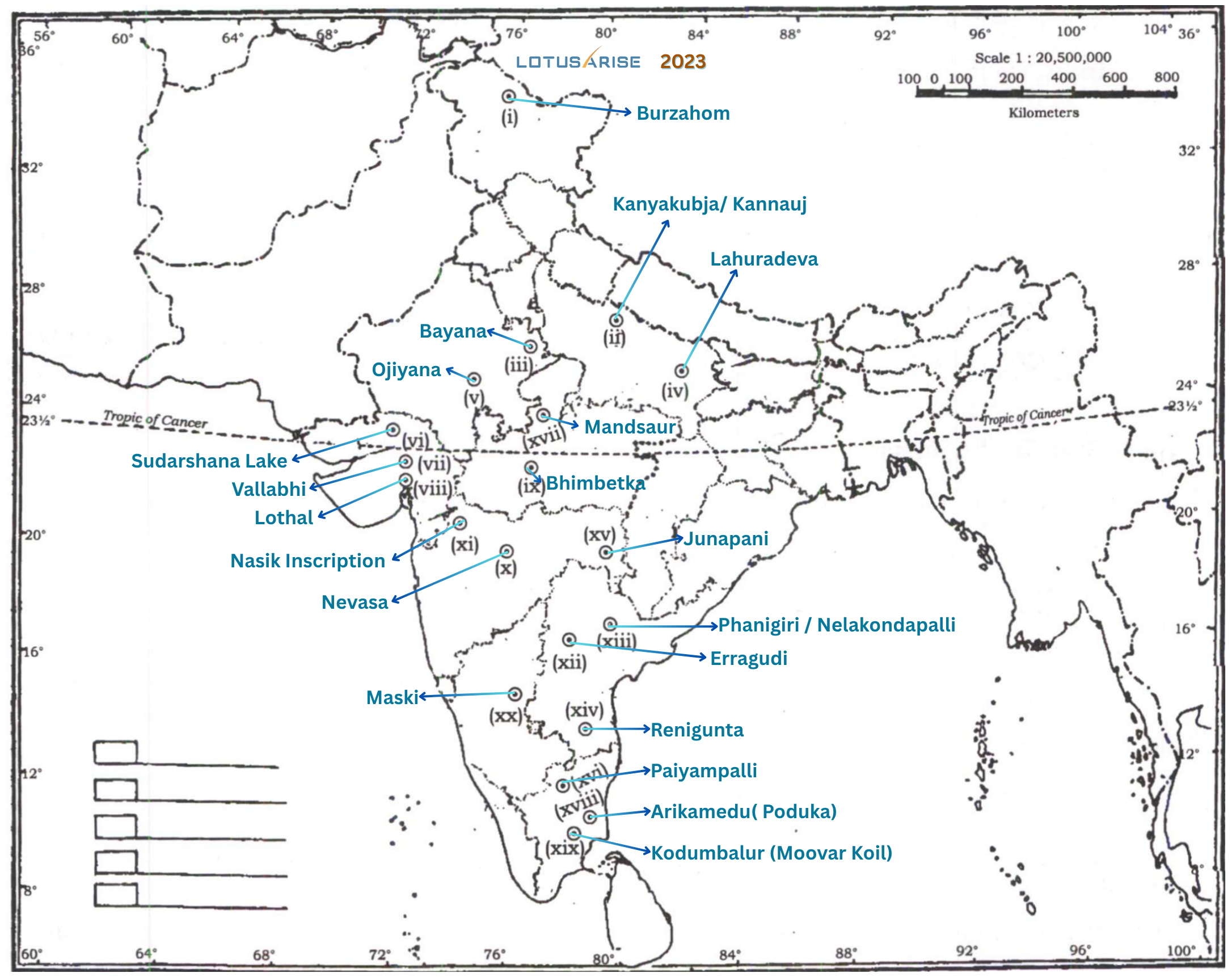
- UPSC History Optional Map Solution 2023 — all 20 identifications solved with 30-word notes
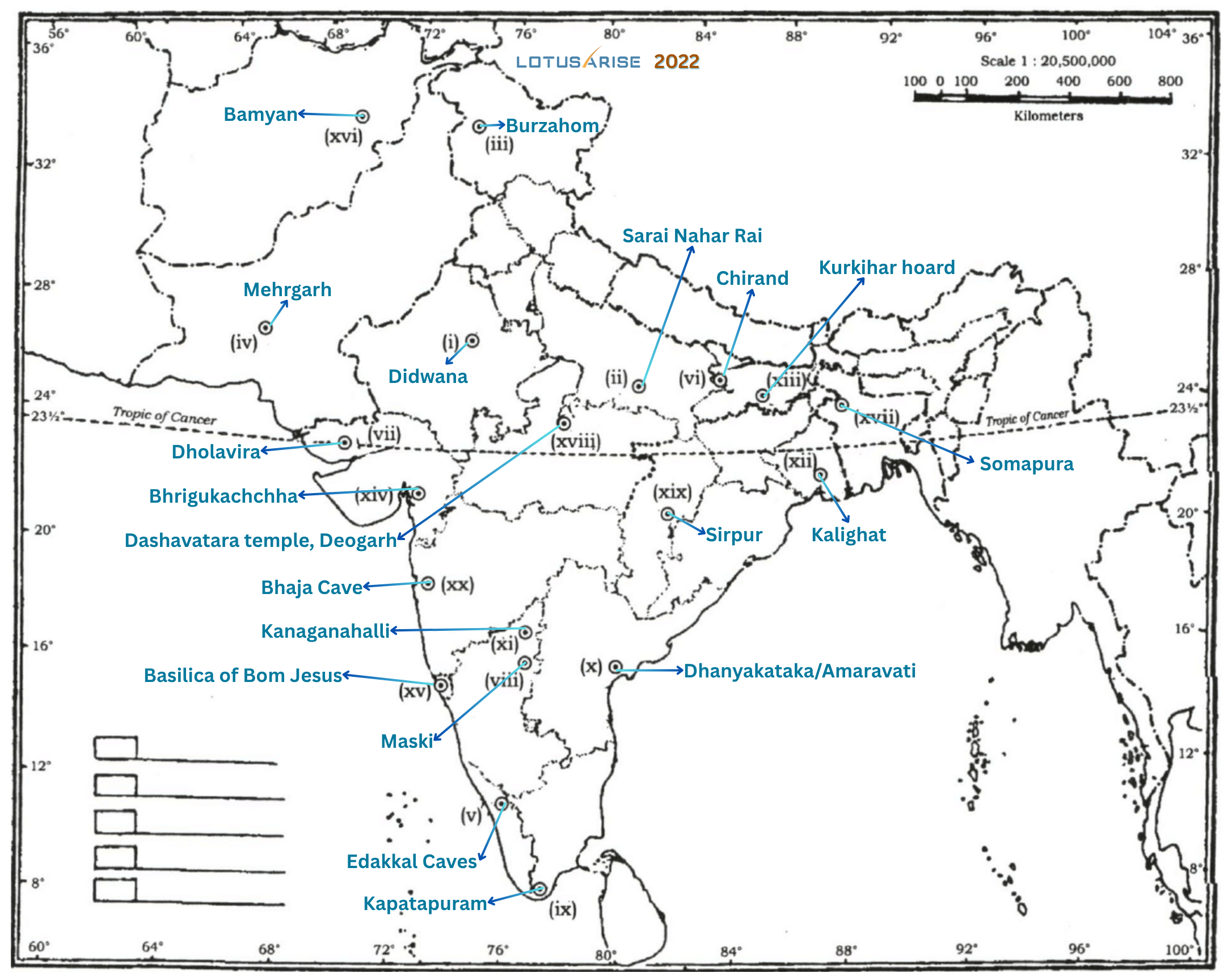
- UPSC History Optional Map Solution 2022 — all 20 identifications solved with 30-word notes
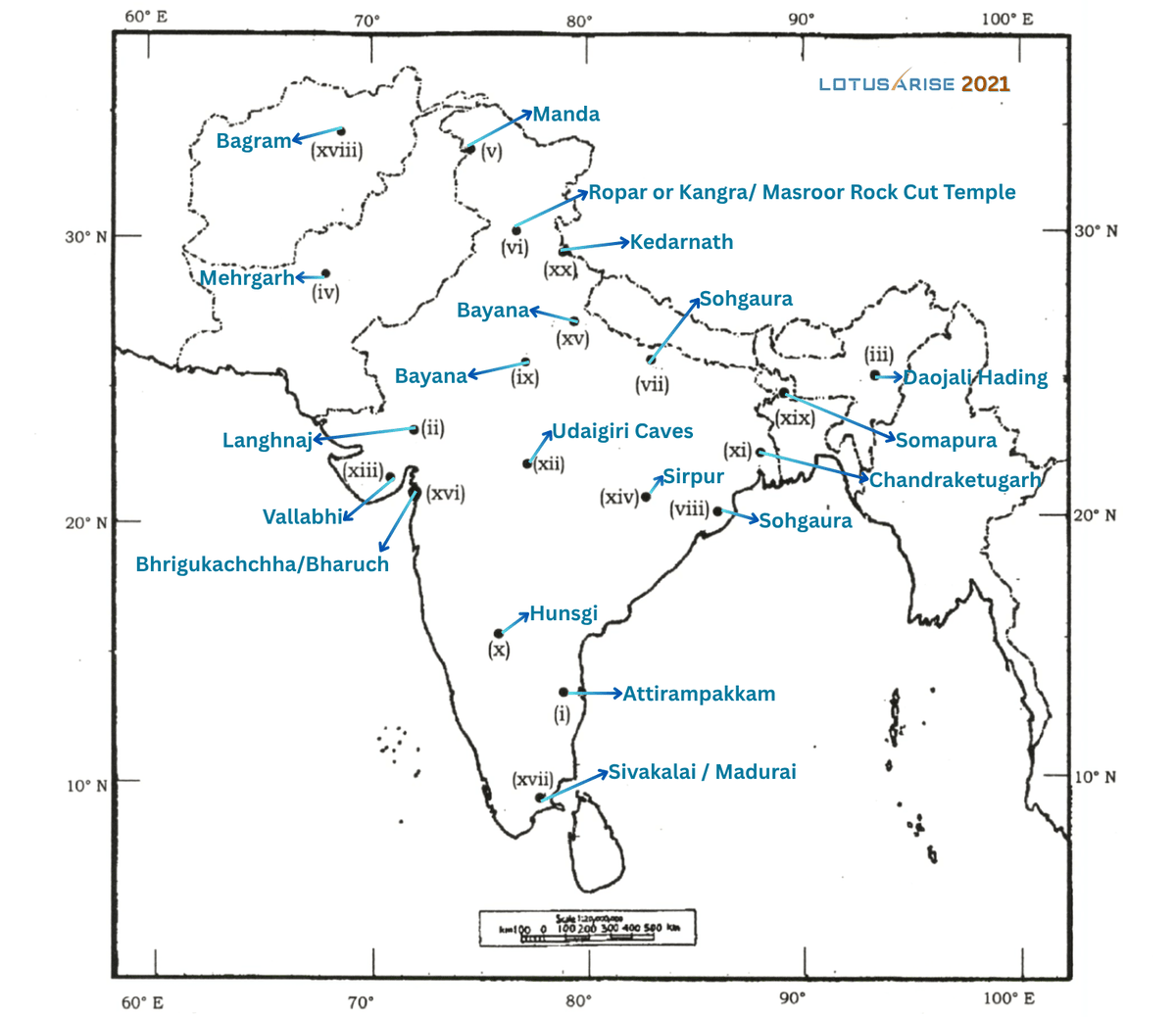
- UPSC History Optional Map Solution 2021 — all 20 identifications solved with 30-word notes
- UPSC History Optional Map Solution 2020 — all 20 identifications solved with 30-word notes
- UPSC History Optional Map Solution 2019 — all 20 identifications solved with 30-word notes
- UPSC History Optional Map Solution 2018 — all 20 identifications solved with 30-word notes
- UPSC History Optional Map Solution 2017 — all 20 identifications solved with 30-word notes
- UPSC History Optional Map Solution 2016 — all 20 identifications solved with 30-word notes
- UPSC History Optional Map Solution 2015 — all 20 identifications solved with 30-word notes
- UPSC History Optional Map Solution 2014 — all 20 identifications solved with 30-word notes
- UPSC History Optional Map Solution 2013 — all 20 identifications solved with 30-word notes

The map is 50 marks. What about the other 450?
The map answers on this site are free and will stay free. But the map is 50 of the 500 marks in the History Optional. The other 450 are written answers — and that is where most candidates lose the paper.
The History Optional PYQ Master Pack carries a written model answer for every question UPSC has set since 1985, arranged topic-wise.
- PYQs from 1985 to 2025 — topic-wise, so you revise a theme and see every way it has been asked
- Model answers, not hints — written to the mark and the word limit, with historians named inside the argument
- Every map section solved — the same notes you see here, for all years, in one offline file
- PDF plus online access — any device, permanently, no subscription
₹1,499 (regular ₹2,500). One-time payment, instant access.
How to write the map answer in the exam hall
The solutions on the year pages above are reference notes, not model answers. In the hall you have roughly 45 minutes for all 20 sites — about two minutes each, including the time it takes to find the number on the map. What follows is the structure that reliably earns the full 2.5 marks.
The five-part note that works every time
- Locate it — present-day state, and the river or coast it sits on
- Date it — the period or culture it belongs to (Palaeolithic, Harappan, Satavahana, Mughal)
- Attribute it — the excavator, the founding dynasty, or the ruler associated with it
- Evidence it — one distinguishing find, structure or inscription
- Justify it — one line on why the site matters to the wider historical argument
Four habits that cost marks
- Writing 60 words on the three sites you know and one line on the rest — the marks are the same for each
- Naming the site and stopping — identification alone is half the mark
- Leaving the map question for the end — it is the only section where you cannot think your way to an answer, so bank it first
- Skipping a site entirely — even a location and a period is worth attempting
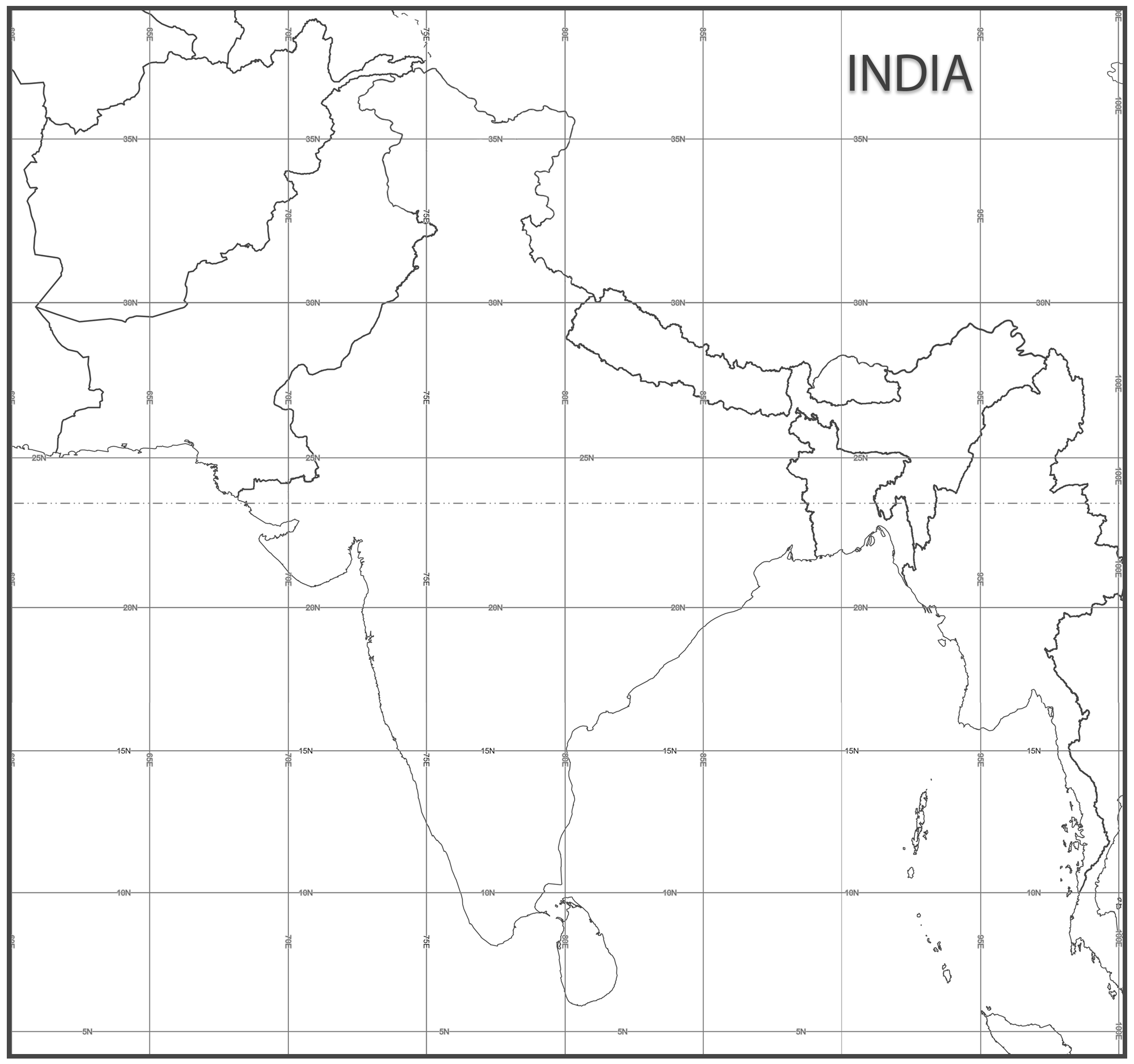
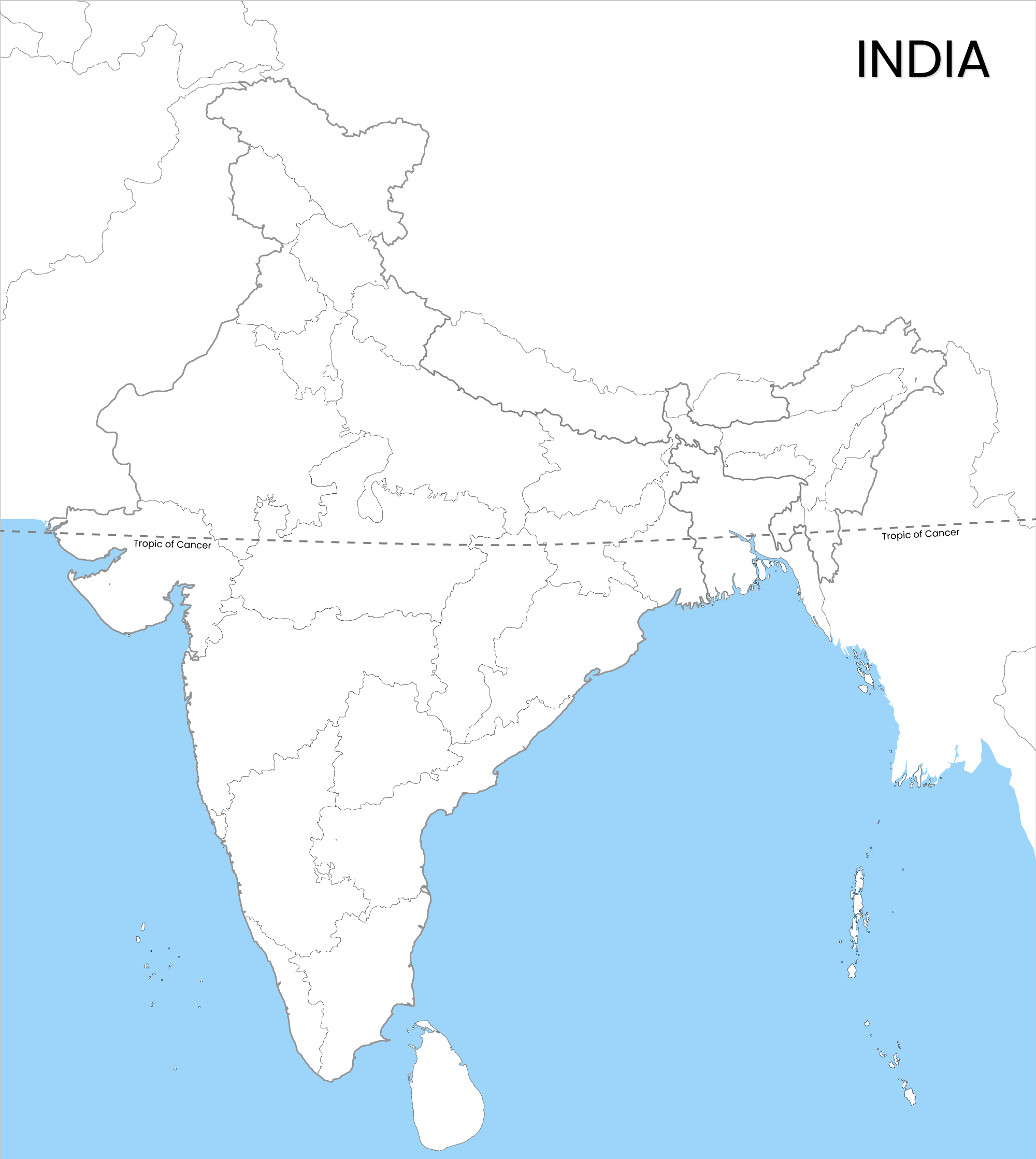
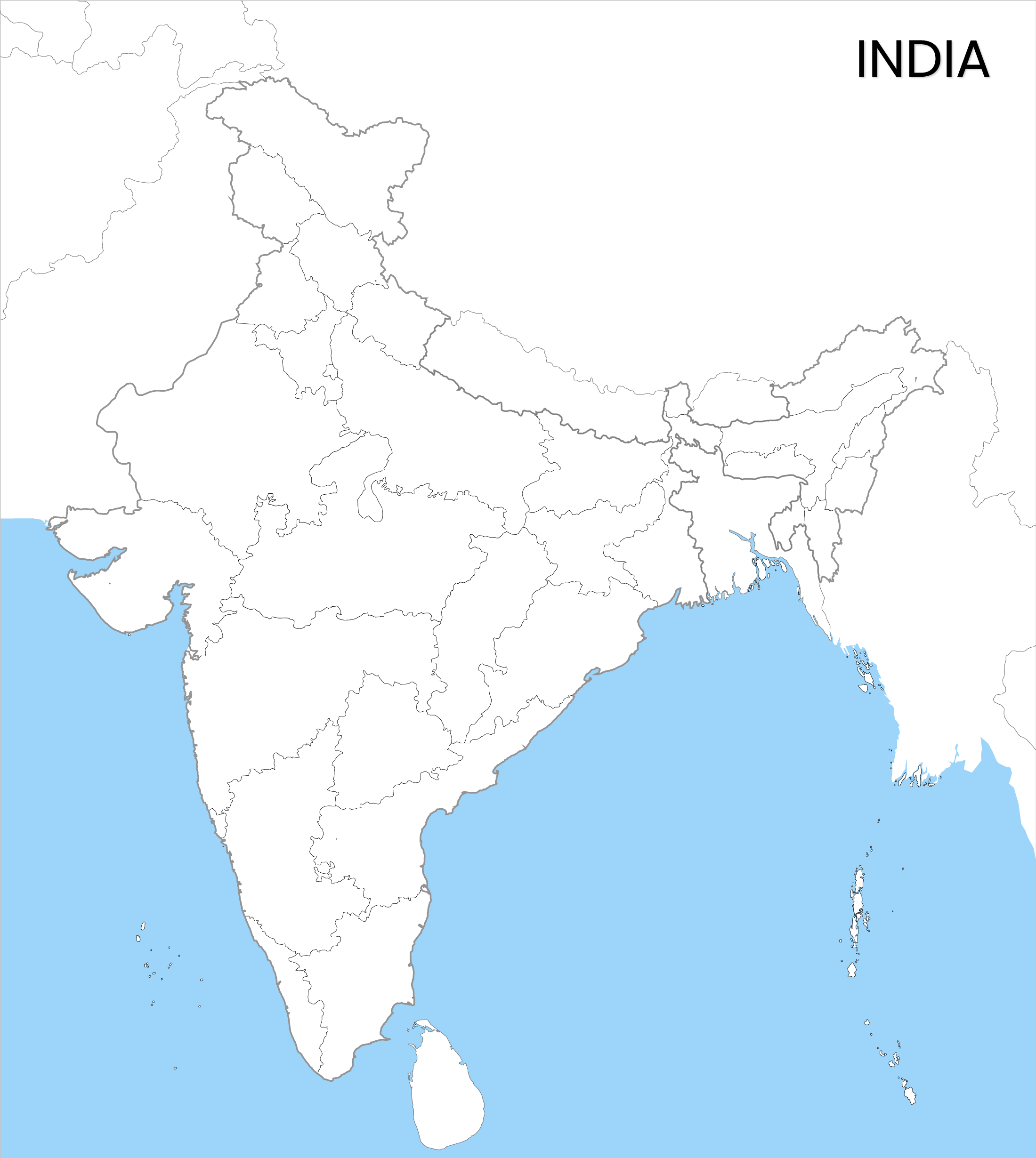
Practise on a blank outline map rather than by reading. Mark the 20 sites from memory, write your notes, then check them against this page. Every site you missed becomes a flashcard.
Which site types repeat
Individual sites are rarely repeated. Site categories are repeated almost every year, which is why preparing by category rather than by name is what pays.
| Category | Roughly how often since 2013 | Typical examples |
| Harappan settlements | Every year | Rakhigarhi, Dholavira, Kalibangan, Banawali |
| Palaeolithic / Mesolithic / rock-art sites | Almost every year | Bhimbetka, Attirampakkam, Bagor, Konkan petroglyphs |
| Chalcolithic and Neolithic cultures | Most years | Navdatoli, Kayatha, Inamgaon, Burzahom, Chirand |
| Megalithic sites | Most years | Brahmagiri, Adichanallur, Vangchhia, Mallapadi |
| Buddhist monastic and stupa sites | Most years | Sanchi, Nagarjunakonda, Moghalmari, Ratnagiri |
| Mahajanapada capitals and early cities | Frequent | Shravasti, Rajgir, Kaushambi, Ujjain |
| Ports and trade centres | Frequent | Arikamedu, Muziris, Bharuch, Tamralipti |
| Temple and architectural sites | Frequent | Pattadakal, Aihole, Khajuraho, Dah Parbatiya |
Two ways to prepare for the rest of the paper
The map solutions on this site are free and will stay free. If you want the rest of the optional handled the same way, there are two routes, depending on where you are in your preparation.
| PYQ Master Pack | Mains Master Kit 2027 | |
| Best when | Your notes are done and you now need answer-writing | You are still building the subject from the ground up |
| What you get | Model answers to every question since 1985, topic-wise, map sections included | 4,500+ pages of notes, complete mapping coverage, 12 months of article access |
| Covers the map section | Yes — every year solved | Yes — site-wise preparation, not just answers |
| Price | ₹1,499 (regular ₹2,500) | ₹1,770 (regular ₹5,000) |
Both are one-time purchases with permanent access. Aspirants in their second or third attempt usually take the PYQ Master Pack; first-timers usually start with the Kit.
Frequently asked questions
The full question papers
The map question is one part of Paper I. The complete History Optional papers — every question from both papers, with unit-wise analysis and the official PDFs — are here:
- History Optional Question Paper 2026
- History Optional Question Paper 2025
- History Optional Question Paper 2024
- History Optional Question Paper 2023
- History Optional Question Paper 2022
- History Optional Question Paper 2021
- History Optional Question Paper 2020
- History Optional Question Paper 2019
- History Optional Question Paper 2018
- History Optional Question Paper 2017
- History Optional Question Paper 2016
- History Optional Question Paper 2015
- History Optional Question Paper 2014
- History Optional Question Paper 2013
- History Optional Question Paper 2012
- History Optional Question Paper 2011