Decolonisation of Africa

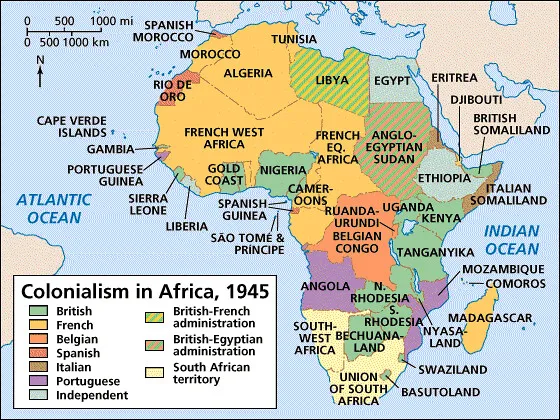
The decolonisation of Africa — the continent-wide dismantling of European colonial rule between the late 1940s and the early 1990s — was one of the defining transformations of twentieth-century world history. Beginning with early exceptions like Liberia (1847) and South Africa (1910), the great wave of African independence gathered pace after the Second World War and crested in the “Year of Africa,” 1960, when seventeen colonies became sovereign states within a single year. Understanding this process requires looking at both its shared global drivers — the weakening of European power after the war, the Atlantic Charter and the UN Charter, and the pressures of the Cold War — and its country-specific trajectories, which ranged from largely peaceful constitutional transfers of power to prolonged armed struggles such as those in Kenya, Algeria and the Portuguese colonies.
Independence Dates of African Countries
| Country | Independence Date | Prior Ruling Country |
|---|---|---|
| Liberia, Republic of | 26 July 1847 | – |
| South Africa, Republic of | 31 May 1910 | Britain |
| Egypt, Arab Republic of | 28 February 1922 | Britain |
| Ethiopia, People’s Democratic Republic of | 5 May 1941 | Italy |
| Libya (Socialist People’s Libyan Arab Jamahiriya) | 24 December 1951 | Britain |
| Sudan, Democratic Republic of | 1 January 1956 | Britain/Egypt |
| Morocco, Kingdom of | 2 March 1956 | France |
| Tunisia, Republic of | 20 March 1956 | France |
| Ghana, Republic of | 6 March 1957 | Britain |
| Guinea, Republic of | 2 October 1958 | France |
| Cameroon, Republic of | 1 January 1960 | France |
| Senegal, Republic of | 4 April 1960 | France |
| Togo, Republic of | 27 April 1960 | France |
| Mali, Republic of | 22 September 1960 | France |
| Madagascar, Democratic Republic of | 26 June 1960 | France |
| Congo (Kinshasa), Democratic Republic of the | 30 June 1960 | Belgium |
| Somalia, Democratic Republic of | 1 July 1960 | Britain |
| Benin, Republic of | 1 August 1960 | France |
| Niger, Republic of | 3 August 1960 | France |
| Burkina Faso, Popular Democratic Republic of | 5 August 1960 | France |
| Côte d’Ivoire, Republic of (Ivory Coast) | 7 August 1960 | France |
| Chad, Republic of | 11 August 1960 | France |
| Central African Republic | 13 August 1960 | France |
| Congo (Brazzaville), Republic of the | 15 August 1960 | France |
| Gabon, Republic of | 17 August 1960 | France |
| Nigeria, Federal Republic of | 1 October 1960 | Britain |
| Mauritania, Islamic Republic of | 28 November 1960 | France |
| Sierra Leone, Republic of | 27 April 1961 | Britain |
| Tanzania, United Republic of | 9 December 1961 | Britain |
| Burundi, Republic of | 1 July 1962 | Belgium |
| Rwanda, Republic of | 1 July 1962 | Belgium |
| Algeria, Democratic and Popular Republic of | 3 July 1962 | France |
| Uganda, Republic of | 9 October 1962 | Britain |
| Kenya, Republic of | 12 December 1963 | Britain |
| Malawi, Republic of | 6 July 1964 | Britain |
| Zambia, Republic of | 24 October 1964 | Britain |
| Gambia, Republic of The | 18 February 1965 | Britain |
| Botswana, Republic of | 30 September 1966 | Britain |
| Lesotho, Kingdom of | 4 October 1966 | Britain |
| Mauritius, State of | 12 March 1968 | Britain |
| Swaziland, Kingdom of | 6 September 1968 | Britain |
| Equatorial Guinea, Republic of | 12 October 1968 | Spain |
| Guinea-Bissau, Republic of | 24 September 1973 (alt. 10 September 1974) | Portugal |
| Mozambique, Republic of | 25 June 1975 | Portugal |
| Cape Verde, Republic of | 5 July 1975 | Portugal |
| Comoros, Federal Islamic Republic of the | 6 July 1975 | France |
| São Tomé and Príncipe, Democratic Republic of | 12 July 1975 | Portugal |
| Angola, People’s Republic of | 11 November 1975 | Portugal |
| Western Sahara | 28 February 1976 | Spain |
| Seychelles, Republic of | 29 June 1976 | Britain |
| Djibouti, Republic of | 27 June 1977 | France |
| Zimbabwe, Republic of | 18 April 1980 | Britain |
| Namibia, Republic of | 21 March 1990 | South Africa |
| Eritrea, State of | 24 May 1993 | Ethiopia |
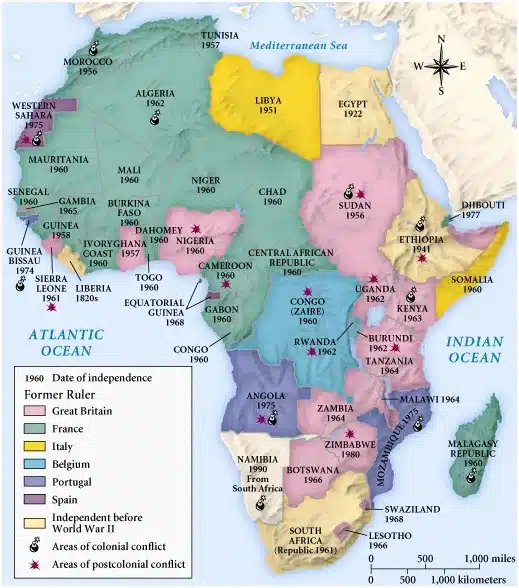
The Global Context of African Decolonisation
The Impact of the Second World War
- The decolonisation of Africa followed the Second World War, as colonised peoples agitated for independence and colonial powers gradually withdrew their administrators from the continent.
- Only the Soviet Union and the People’s Republic of China actively and officially supported decolonisation in Africa throughout the twentieth century — all other major powers ranged from a strong, stubborn defence of colonialism to only half-hearted acceptance of independence once it became a fait accompli.
- During the war, British African colonies supported the Allies against the Axis powers, though without any accompanying promise of independence — a stance that German wartime propaganda exploited to challenge British rule.
- Imperial Japan’s conquests in the Far East caused a shortage of raw materials such as rubber and various minerals, forcing Africa to compensate for this shortfall — a shift from which the continent greatly benefited.
- German U-boats patrolling the Atlantic further reduced the volume of raw materials reaching Europe, prompting the growth of local industries in Africa. These industries, in turn, spurred the creation of new towns and the doubling in size of existing ones. As urban communities and industry grew, so did trade unions; urbanisation also brought rising literacy, which enabled the emergence of pro-independence newspapers.
The Atlantic Charter and the UN Charter
- On 12 February 1941, US President Franklin D. Roosevelt and British Prime Minister Winston Churchill met to discuss the postwar world, producing the Atlantic Charter.
- Though not a treaty, and never submitted to the British Parliament or the US Senate for ratification, it became a widely acclaimed document. One of its provisions — introduced by Roosevelt — called for the autonomy of imperial colonies.
- After the war, both the United States and the African colonies pressed Britain to honour the Charter’s terms. The British, however, still regarded their African colonies as “children” and “immature,” introducing democratic government only at the local level.
- The right of self-determination of peoples was enshrined in the UN Charter of 1945, and within only two decades, the entire system of colonialism collapsed.
The Cold War and Decolonisation
- While the United States generally supported the principle of national self-determination, it also maintained strong ties to its European allies, most of whom held imperial claims over their former colonies.
- The Cold War complicated the American position further, as support for decolonisation was constantly weighed against fears of communist expansion and Soviet strategic ambitions in Europe. Several NATO allies argued their colonial possessions provided economic and military strength the alliance would otherwise lose, and nearly all of America’s European allies believed that, once recovered from the war, their colonies would finally supply the combination of raw materials and protected markets needed to cement ties with Europe.
- As Cold War competition with the Soviet Union came to dominate US foreign policy through the late 1940s and 1950s, the Truman and Eisenhower administrations grew increasingly concerned that as European powers lost or relinquished their colonies, Soviet-backed communist parties might seize power in the new states — potentially shifting the global balance of power towards the Soviet Union and denying Western allies access to key economic resources, even where new governments did not formally align with Moscow.
- The United States, accordingly, used aid packages, technical assistance and, at times, military intervention to encourage newly independent Third World nations to adopt governments aligned with the West. The Soviet Union deployed similar tactics to draw new nations into the communist bloc, presenting communism as an intrinsically non-imperialist economic and political ideology.
- Many new nations resisted being drawn into this Cold War contest altogether, instead joining the Non-Aligned Movement, formed after the Bandung Conference of 1955, and focusing on internal development.
No Single Process of Decolonisation
- There was no single, uniform process of decolonisation. In some regions it was peaceful and orderly; in many others, independence came only after a protracted revolution.
- A few newly independent countries achieved stable governments almost immediately; others were ruled by dictators or military juntas for decades, or endured long civil wars. Some European governments welcomed a new relationship with their former colonies; others resisted decolonisation militarily.
- The process of decolonisation coincided with the emerging Cold War between the Soviet Union and the United States, and with the early development of the new United Nations. It was frequently shaped by superpower competition — and, in turn, had a real impact on the evolution of that competition, significantly reshaping the broader pattern of international relations.
Decolonisation and the Changing Balance of Power at the UN
- The newly independent nations emerging through the 1950s and 1960s became an important factor reshaping the balance of power within the United Nations.
- In 1946, the UN had 35 member states; as the newly independent “Third World” nations joined, membership had swelled to 127 by 1970.
- These new member states shared several traits — they were non-white, had developing economies, and faced internal problems rooted in their colonial past, which sometimes put them at odds with European countries and left them suspicious of European-style governmental structures, political ideas and economic institutions.
- These countries also became vocal advocates for continuing decolonisation, with the result that the UN General Assembly often moved ahead of the Security Council on questions of self-governance and decolonisation — pushing the UN towards resolutions favouring independence for colonial states and the creation of a special committee on colonialism, a clear sign that, even where struggles for independence continued, the international community increasingly regarded the colonial era as ending.
Leaders of the Independence Movements
- By the 1930s, the colonial powers had cultivated — sometimes inadvertently — a small elite of leaders educated in Western universities and familiar with ideas such as self-determination. These leaders went on to lead the struggles for independence, and included nationalists such as Jomo Kenyatta (Kenya), Kwame Nkrumah (Gold Coast, later Ghana), Julius Nyerere (Tanzania), Léopold Sédar Senghor (Senegal) and Félix Houphouët-Boigny (Côte d’Ivoire).
Country-wise Case Studies of African Decolonisation
1. Kenya
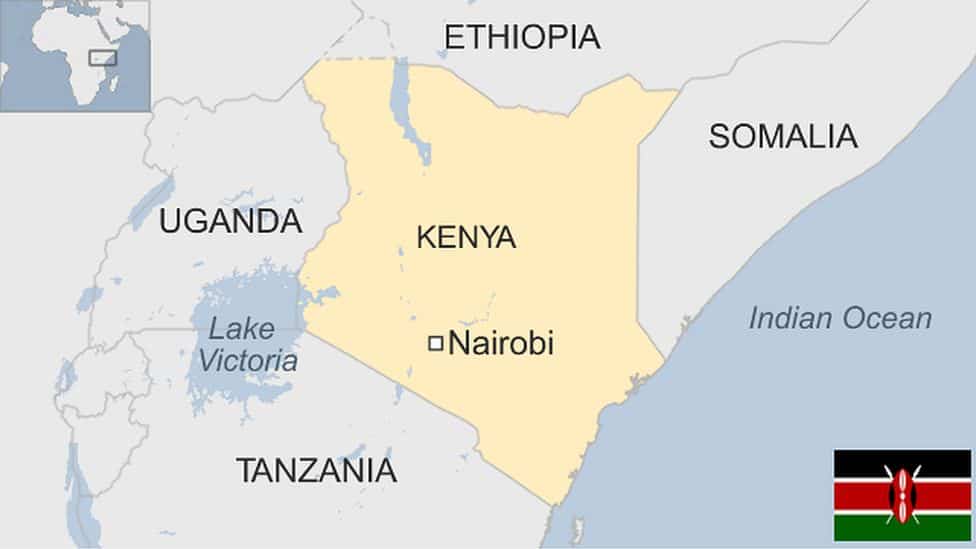
- The Mau Mau Rebellion (1952–1960). A military conflict in Kenya involving Kikuyu-dominated groups known as the Mau Mau on one side, and the British Army, the local Kenya Regiment (mostly British), auxiliaries and anti-Mau Mau Kikuyu on the other.
- The colonial governor requested and obtained British and African troops, including the King’s African Rifles, and counter-insurgency operations began with the personal backing of Winston Churchill.
- Operation Anvil opened on 24 April 1954, effectively placing Nairobi under military siege — its occupants screened and Mau Mau supporters moved to detention camps. By the end of the emergency, around 42 per cent of the total insurgents had been killed, and the capture of Dedan Kimathi on 21 October 1956 marked the Mau Mau’s ultimate defeat.
- The Mau Mau failed to secure widespread public support, partly owing to the British policy of divide and rule.
- Substantial changes to land tenure took place during this period, the most important being the Swynnerton Plan (1954) — a colonial agricultural policy aimed at intensifying agricultural practice in Kenya Colony by expanding native cash-crop production through improved markets and infrastructure, alongside the gradual consolidation and enclosure of land holdings. The Plan was used both to reward loyalists and to punish Mau Mau sympathisers.
- Independent Kenya (1963). After the Mau Mau uprising was suppressed, the British provided for the election of six African members to the Legislative Council under a weighted franchise based on education. The new colonial constitution of 1958 increased African representation, but African nationalists began demanding a democratic franchise on the principle of “one man, one vote” — a demand that alarmed the minority European and Asian populations, who feared the effects of universal suffrage.
- The first direct elections for native Kenyans to the Legislative Council took place in 1957. Despite British hopes of handing power to “moderate” local rivals, it was Jomo Kenyatta’s Kenya African National Union (KANU) that formed the government shortly before Kenya became independent on 12 December 1963, adopting its first Constitution the same day.
- Jomo Kenyatta led Kenya from independence in 1963 until his death in 1978 — first as Prime Minister (1963–64), then as President (1964–78) — and is regarded as the founding father of the Kenyan nation: a well-educated intellectual, author of several books, and a noted Pan-Africanist.
- On 12 December 1964, the Republic of Kenya was proclaimed, with Jomo Kenyatta as its first president.
2. Gold Coast / Ghana
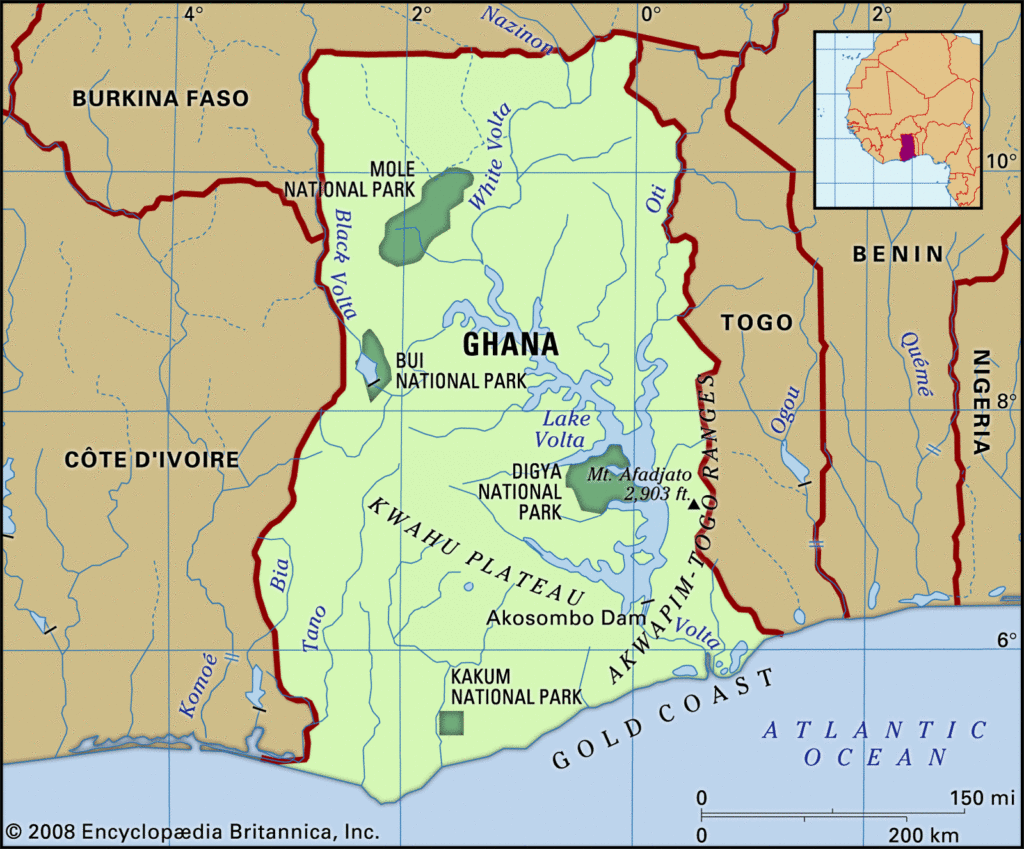
- In 1947, the newly formed United Gold Coast Convention (UGCC), led by the “Big Six” leaders of the party, called for “self-government within the shortest possible time” following the Gold Coast legislative election of 1946.
- Dr Kwame Nkrumah subsequently formed the Convention People’s Party (CPP), with the motto “self-government now.”
- Nkrumah — later Ghana’s first Prime Minister and President — won a majority in the Gold Coast legislative election of 1951, and in 1952 was appointed leader of government business in the Gold Coast. The Gold Coast declared independence from the United Kingdom on 6 March 1957, establishing the nation of Ghana.
- On 1 July 1960, following the 1960 constitutional referendum and presidential election, Nkrumah declared Ghana a republic, becoming its first President.
3. Zimbabwe (Southern Rhodesia)
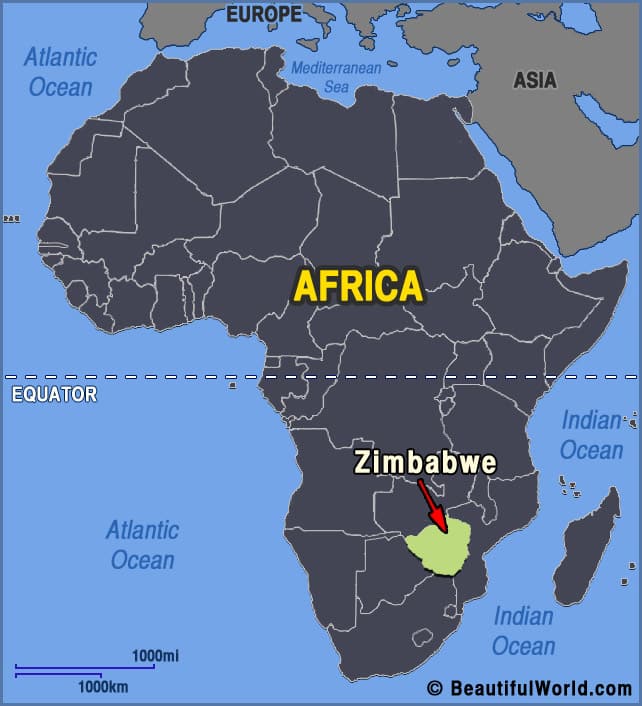
- Southern Rhodesia became a self-governing British colony in October 1923, following a 1922 referendum. Rhodesians of all races served on Britain’s behalf during both World Wars, and, proportional to its white population, Southern Rhodesia contributed more per capita to both conflicts than any other part of the Empire, including Britain itself.
- In 1953, in the face of African opposition, Britain consolidated the two Rhodesias with Nyasaland (Malawi) into the ill-fated Central African Federation, dominated by Southern Rhodesia.
- Growing African nationalism and dissent, particularly in Nyasaland, persuaded Britain to dissolve the Union in 1963, forming three separate territories. On 6 July 1964, Nyasaland became independent as Malawi.
- While multiracial democracy was finally introduced in Northern Rhodesia (later Zambia) and Nyasaland, Southern Rhodesians of European descent continued to enjoy minority rule.
- In Northern Rhodesia, elections held in 1962 produced an African majority in the legislative council and an uneasy coalition between the two African nationalist parties. The council called for Northern Rhodesia’s secession from the federation and demanded full internal self-government under a new constitution and a more broadly democratic National Assembly.
- The federation was dissolved on 31 December 1963, and in January 1964, Kaunda won the only election for Prime Minister of Northern Rhodesia — with Colonial Governor Sir Evelyn Hone working closely alongside him. Soon after, an uprising in the north of the country, the Lumpa Uprising led by Alice Lenshina, became Kaunda’s first internal conflict as national leader.
- Northern Rhodesia became the Republic of Zambia on 24 October 1964, with Kenneth Kaunda as its first president.
- With Zambian independence achieved, Ian Smith’s Rhodesian Front (RF) dropped the “Southern” designation in 1964 and issued a Unilateral Declaration of Independence (UDI) from the United Kingdom on 11 November 1965, intended to repudiate Britain’s recently adopted policy of “no independence before majority rule” — the first such move by a British colony since the American Declaration of 1776.
- UDI and civil war (1965–1979).
- Following UDI, the British government petitioned the United Nations for sanctions against Rhodesia, after unsuccessful talks with Smith’s administration in 1966 and 1968. In December 1966, the UN imposed the first mandatory trade embargo on an autonomous state, expanded further in 1968.
- The United Kingdom deemed the Rhodesian declaration an act of rebellion but did not attempt to re-establish control by force. A guerrilla war ensued as Joshua Nkomo’s Zimbabwe African People’s Union (ZAPU) and Robert Mugabe’s Zimbabwe African National Union (ZANU) — actively supported by communist powers and neighbouring African states — launched operations against Rhodesia’s predominantly white government. ZAPU was backed by the Soviet Union, the Warsaw Pact and allied states such as Cuba, adopting a Marxist-Leninist ideology, while ZANU aligned with Maoism and the bloc led by the People’s Republic of China.
- Smith declared Rhodesia a republic in 1970, following a referendum the previous year, though this went unrecognised internationally. As the internal conflict intensified, Smith was eventually forced to negotiate with the militant nationalists.
- In March 1978, Smith reached an accord with three African leaders, led by Bishop Abel Muzorewa, who offered to leave the white population comfortably entrenched in exchange for a biracial democracy — the Internal Settlement.
- Elections held in April 1979 under this settlement saw the United African National Council (UANC) win a majority of parliamentary seats. On 1 June 1979, Muzorewa became Prime Minister, and the country was renamed Zimbabwe Rhodesia — though the settlement left control of the Rhodesian security forces, civil service, judiciary and a third of parliamentary seats with the white minority. On 12 June, the US Senate voted to lift economic pressure on the former Rhodesia.
- Following the fifth Commonwealth Heads of Government Meeting (CHOGM), held in Lusaka, Zambia, from 1 to 7 August 1979, the British government invited Muzorewa, Mugabe and Nkomo to a constitutional conference at Lancaster House, aimed at agreeing the terms of an independence constitution and holding elections under British supervision.
- On 21 December 1979, delegations representing every major interest reached the Lancaster House Agreement, effectively ending the guerrilla war. On 11 December 1979, the Rhodesian House of Assembly had already voted to revert to British colonial rule; Britain lifted sanctions on 12 December, the UN on 16 December, before calling on member states to follow suit on 21 December — a call answered by Zambia, Mozambique, Tanzania, Angola and Botswana.
4. Mauritius
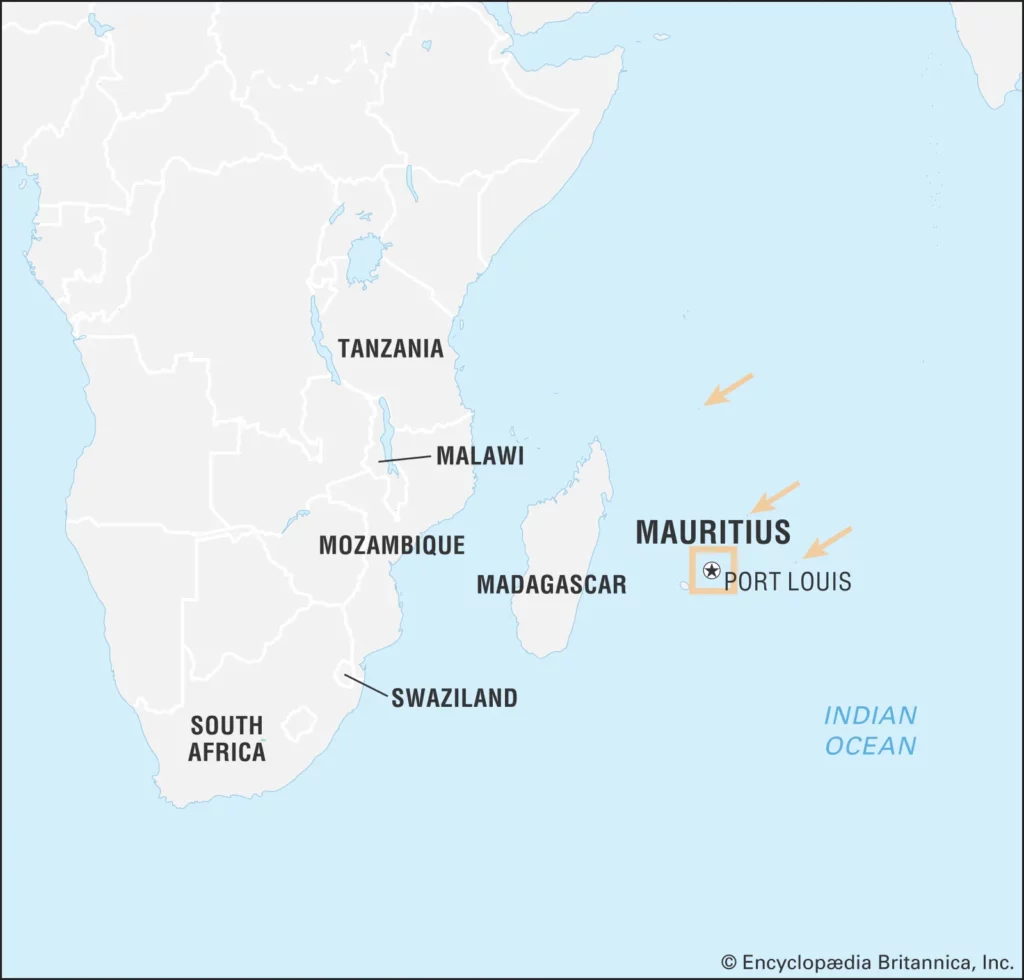
- At the Lancaster Conference of 1965, it became clear that Britain wished to relieve itself of the colony of Mauritius. In 1959, British Prime Minister Harold Macmillan had delivered his famous “Winds of Change” speech, acknowledging that Britain’s best option was to grant its colonies complete freedom — paving the way for independence from the late 1950s onward.
- Later in 1965, following the Lancaster Conference, the Chagos Archipelago was excised from Mauritian territory to form the British Indian Ocean Territory (BIOT).
- A general election on 7 August 1967 saw the Labour Party and its two allies win a majority of seats. Mauritius adopted a new constitution, and independence was proclaimed on 12 March 1968.
5. Tanzania
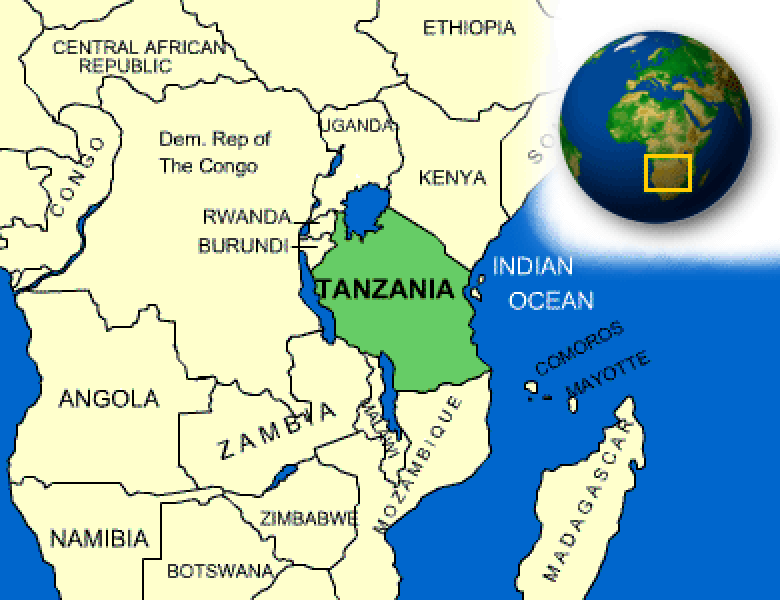
- In 1954, Julius Nyerere transformed an existing organisation into the politically oriented Tanganyika African National Union (TANU), whose main objective was to secure national sovereignty for Tanganyika.
- A membership drive launched soon after made TANU the country’s leading political organisation within a year. Nyerere became a minister in the British-administered Tanganyika government in 1960, and continued as Prime Minister when Tanganyika achieved independence in 1961.
6. French and British Cameroon
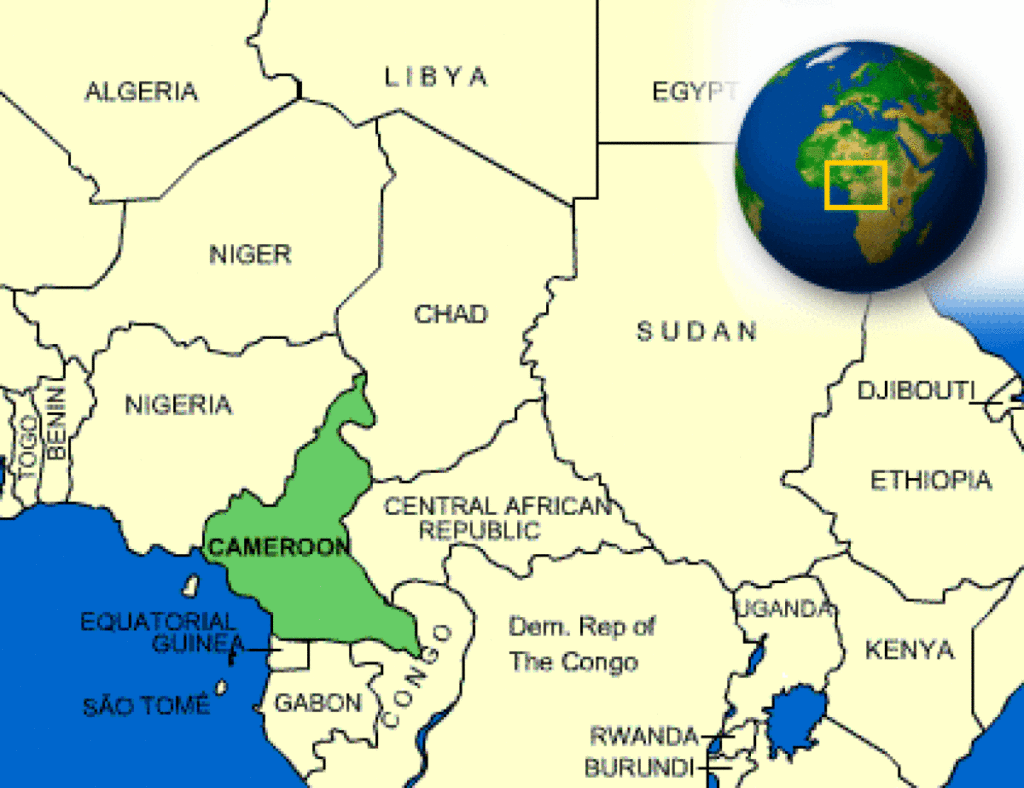
- The British administered their Cameroonian territory from neighbouring Nigeria, prompting native complaints that this reduced them to a neglected “colony of a colony.” Nigerian migrant workers flocked to Southern Cameroons, ending forced labour there but angering indigenous peoples.
- The League of Nations mandates were converted into United Nations Trusteeships in 1946, and the question of independence grew pressing in French Cameroun.
- France outlawed the most radical political party, the Union des Populations du Cameroun (UPC), on 13 July 1955, prompting a long guerrilla war and the assassination of the party’s leader, Ruben Um Nyobé.
- In British Cameroons, the key question was whether to reunify with French Cameroun or join Nigeria.
- French Cameroun gained independence from France on 1 January 1960, under President Ahmadou Ahidjo. On 1 October 1961, the formerly British Southern Cameroons united with French Cameroun to form the Federal Republic of Cameroon. Ahidjo used the ongoing war against the UPC to concentrate power in the presidency, a practice he continued even after the UPC’s suppression in 1971.
7. Algeria
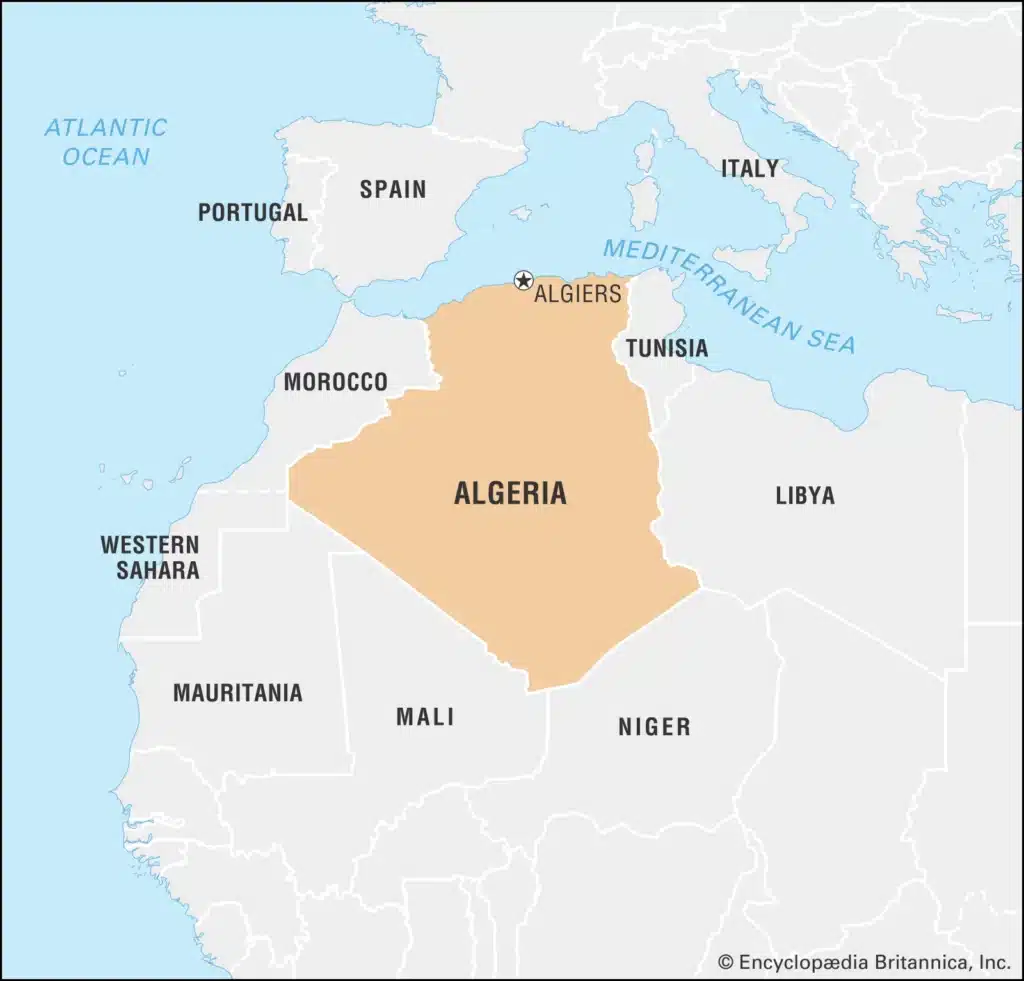
- Growing dissatisfaction among the Muslim population — which lacked political and economic status within the colonial system — gave rise to demands for greater political autonomy, and eventually full independence, from France.
- Tensions between the two population groups came to a head in 1954, with the first violent events of what became known as the Algerian War.
- It is estimated that between 30,000 and 150,000 Harkis — volunteers, particularly soldiers and Muslim Algerian loyalists serving as auxiliaries in the French Army during the war — and their dependents were killed by the Front de Libération Nationale (FLN) or by lynch mobs in Algeria.
- The FLN used terrorist attacks in both Algeria and France as part of its campaign, met by severe French reprisals; the war led to the deaths of hundreds of thousands of Algerians and hundreds of thousands more injuries.
- The war concluded in 1962, when Algeria achieved complete independence following the March 1962 Évian Agreements and the July 1962 self-determination referendum.
8. Djibouti
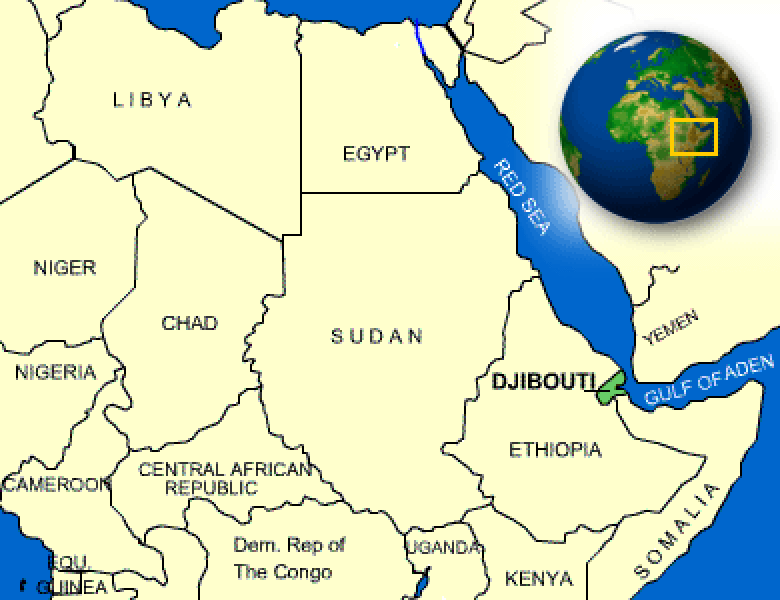
- In 1958, on the eve of neighbouring Somalia’s independence in 1960, a referendum was held in Djibouti to decide between joining the Somali Republic or remaining with France — the result favoured continued association with France.
- A second plebiscite in 1967 likewise supported a continued, though looser, relationship with France.
- A third referendum in 1977 saw a landslide 98.8 per cent of the electorate support disengagement from France, officially marking Djibouti’s independence on 27 June 1977.
9. The Portuguese Colonies
- The Portuguese regime refused to accede to demands for independence, provoking armed conflict across its African colonies.
- Following the 1974 coup d’état in Lisbon, which overthrew the Portuguese regime headed by Marcelo Caetano, Portugal’s new revolutionary leadership began a process of domestic political change in 1974 and accepted independence for its former African colonies abroad.
10. Rwanda
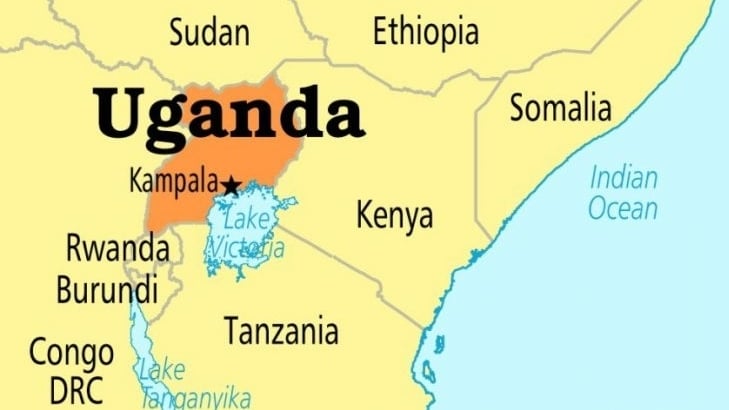
- Belgium continued to rule Rwanda as a UN Trust Territory after the Second World War, with a mandate to oversee its path to independence.
- Tension escalated between the Tutsi, who favoured early independence, and the Hutu emancipation movement, culminating in the 1959 Rwandan Revolution, during which Hutu activists began killing Tutsi.
- In 1961, the now pro-Hutu Belgian administration held a referendum in which the country voted to abolish the monarchy. Rwanda was separated from Burundi and gained independence in 1962.
11. Burundi
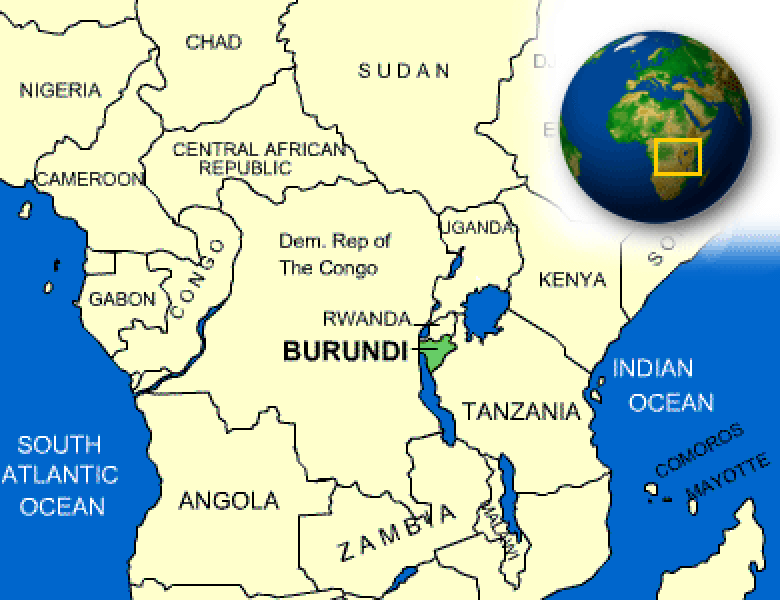
- In 1948, Belgium allowed the region to form political parties — factions that went on to help secure Burundi’s independence from Europe.
- On 20 January 1959, Burundi’s ruler, Mwami Mwambutsa IV, requested that the Belgian Minister of Colonies separate Burundi from Rwanda and dissolve Ruanda-Urundi.
- Six months later, political parties formed to press for Burundi’s independence and for the separation of Rwanda from Burundi — the first of these being the Union for National Progress (UPRONA).
12. Namibia
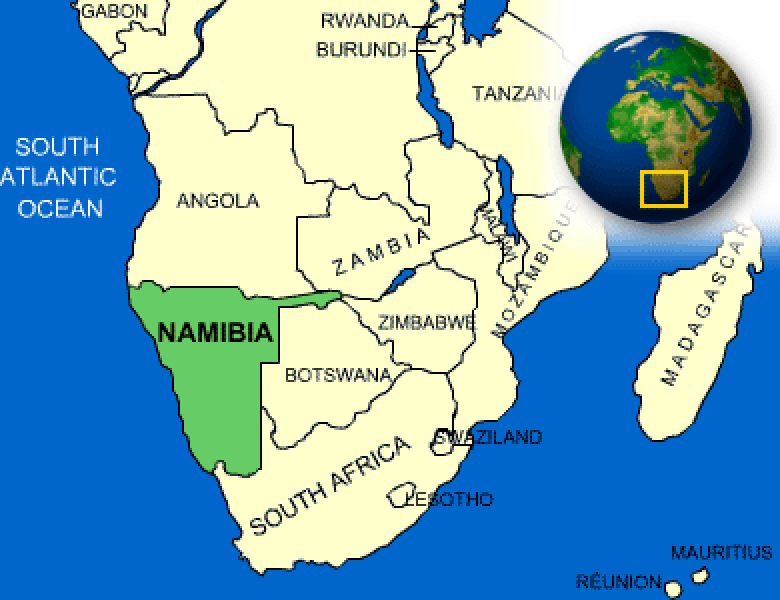
- South Africa occupied the colony in 1915, after defeating German forces during the First World War, and administered it from 1919 onward as a League of Nations mandate territory.
- Namibia was administered as the de facto “fifth province” of South Africa, with its white minority represented in the whites-only Parliament of South Africa and electing its own local SWA Legislative Assembly. South Africa’s government also appointed the SWA administrator, who wielded extensive powers.
- After the League of Nations was replaced by the United Nations in 1946, South Africa refused to convert its mandate into a UN Trusteeship agreement, which would have required closer international monitoring and a definite independence timetable.
- Through the 1960s, as European powers granted independence to their African colonies and trust territories, pressure mounted on South Africa to do likewise in Namibia.
- In 1966, the International Court of Justice dismissed a complaint brought by Ethiopia and Liberia against South Africa’s continued presence, but the UN General Assembly subsequently revoked South Africa’s mandate; in 1971, the ICJ issued an “advisory opinion” declaring South Africa’s continued administration illegal.
- In response to the 1966 ICJ ruling, the South-West Africa People’s Organisation (SWAPO) formed its military wing, the People’s Liberation Army of Namibia, launching an armed struggle for independence.
- It was not until 1988 that South Africa agreed to end its occupation of Namibia, in accordance with a UN peace plan for the wider region — the transition to independence finally beginning under a diplomatic agreement between South Africa, Angola and Cuba, with the USSR and USA as observers, under which South Africa agreed to withdraw and demobilise its forces. In turn, Cuba agreed to withdraw the troops it had sent to southern Angola to support the MPLA in its war against UNITA.
- During South Africa’s occupation, white commercial farmers — most of them settlers from South Africa, representing just 0.2 per cent of the national population — owned 74 per cent of Namibia’s arable land.
- Outside the central-southern “Police Zone” (containing the main towns, industries, mines and best arable land since the German era), the country was divided into “homelands” — Namibia’s version of the South African bantustan system.
- A combined UN civilian and peacekeeping force, UNTAG (United Nations Transition Assistance Group), was deployed from April 1989 to March 1990 to monitor the peace process, elections and military withdrawal. After the return of SWAPO exiles, Namibia held its first one-person-one-vote elections for a constitutional assembly in November 1989.
- The country officially became independent on 21 March 1990. Sam Nujoma was sworn in as Namibia’s first president, watched by Nelson Mandela, released from prison the previous month.
13. Guinea
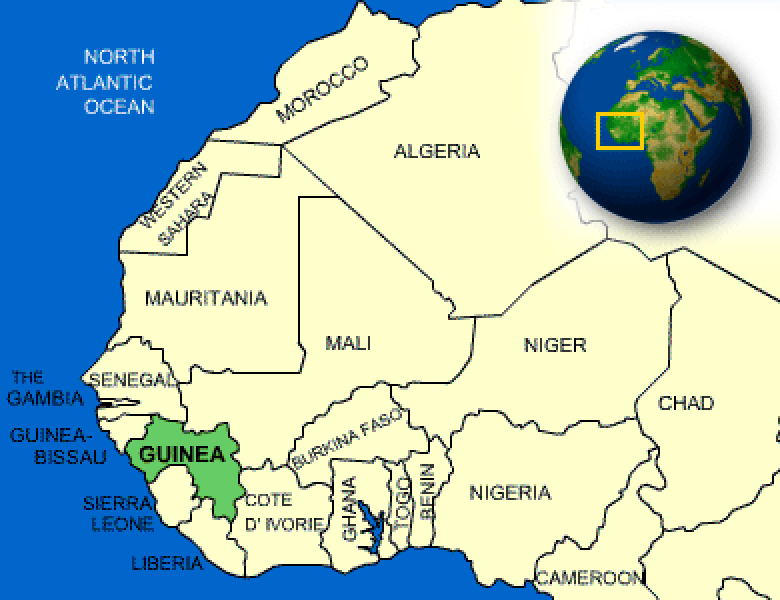
- In 1958, the French Fourth Republic collapsed amid political instability and its failures in Indochina and Algeria.
- The founding of a Fifth Republic enjoyed broad French support, and President Charles de Gaulle made clear on 8 August 1958 that France’s colonies faced a stark choice — greater autonomy within a new French Community, or immediate independence — to be decided by referendum on 28 September 1958.
- While the other colonies chose autonomy, Guinea, under the leadership of Ahmed Sékou Touré, whose Democratic Party of Guinea (PDG) had won 56 of 60 seats in the 1957 territorial elections, voted overwhelmingly for independence.
- The French withdrew quickly, and on 2 October 1958, Guinea proclaimed itself a sovereign and independent republic, with Sékou Touré as president. Following France’s withdrawal, Guinea swiftly aligned itself with the Soviet Union and adopted socialist policies.
14. Morocco
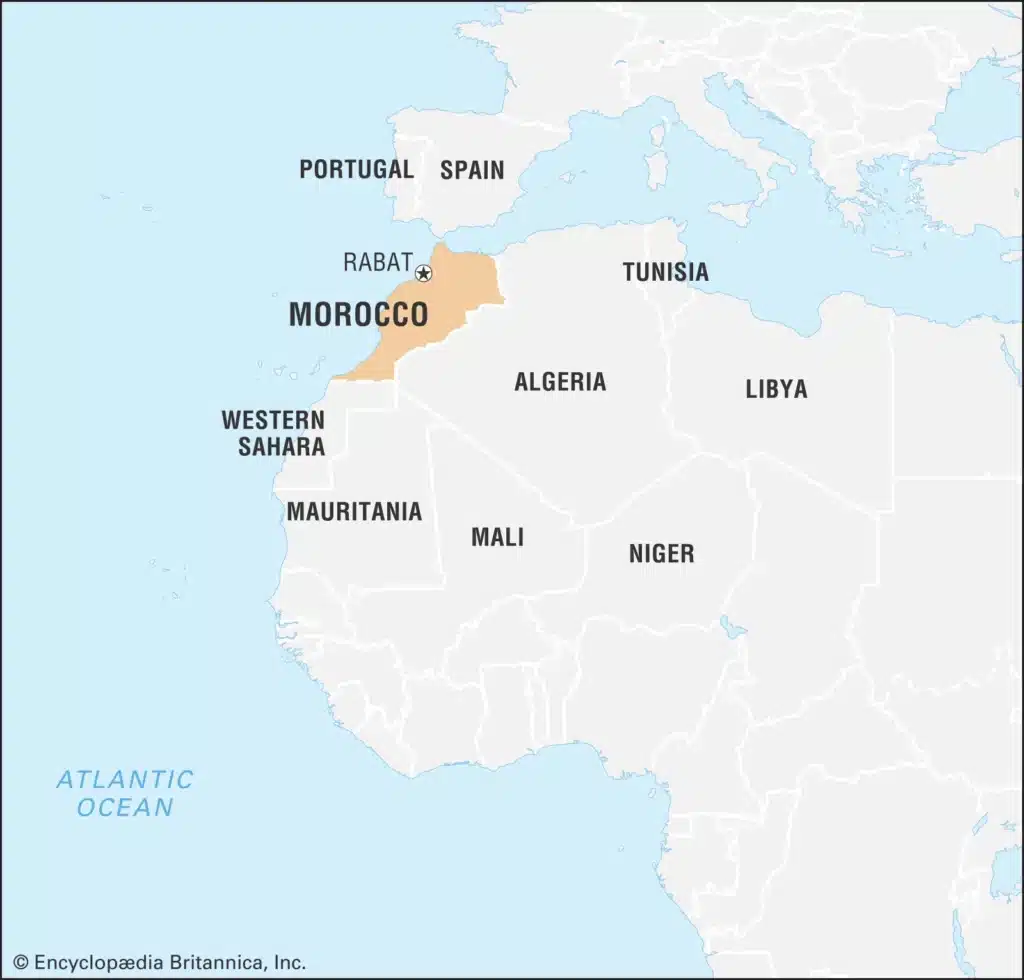
- In 1943, the Istiqlal Party (Independence Party) was founded to press for independence, with discreet US support, and went on to provide most of the leadership for the nationalist movement.
- France’s exile of Sultan Mohammed V to Madagascar in 1953, and his replacement by the unpopular Mohammed Ben Aarafa, sparked active opposition to the French and Spanish protectorates — the most notable violence occurring in Oujda, where Moroccans attacked French and other European residents.
- France allowed Mohammed V to return in 1955, and negotiations leading to Moroccan independence began the following year.
- In March 1956, the French protectorate ended, and Morocco regained its independence as the “Kingdom of Morocco.” A month later, Spain ceded most of its protectorate in Northern Morocco to the new state, retaining only its two coastal enclaves, Ceuta and Melilla. Sultan Mohammed became king in 1957.
15. The “Wind of Change” Speech and the “Year of Africa”
- The “Wind of Change” speech was a historically significant address delivered by British Prime Minister Harold Macmillan to the Parliament of South Africa, in Cape Town on 3 February 1960.
- He declared: “The wind of change is blowing through this continent and, whether we like it or not, this growth of national consciousness is a political fact. We must all accept it as a fact, and our national policies must take account of it.” Macmillan acknowledged that imperial powers would struggle to continue controlling their colonies — the speech represented an admission, by Britain’s own political elite, that the British Empire was effectively over and could not be revived.
- 1960 is remembered as the “Year of Africa” — seventeen colonies, most of them French, gained their independence within that single year.
16. Egypt
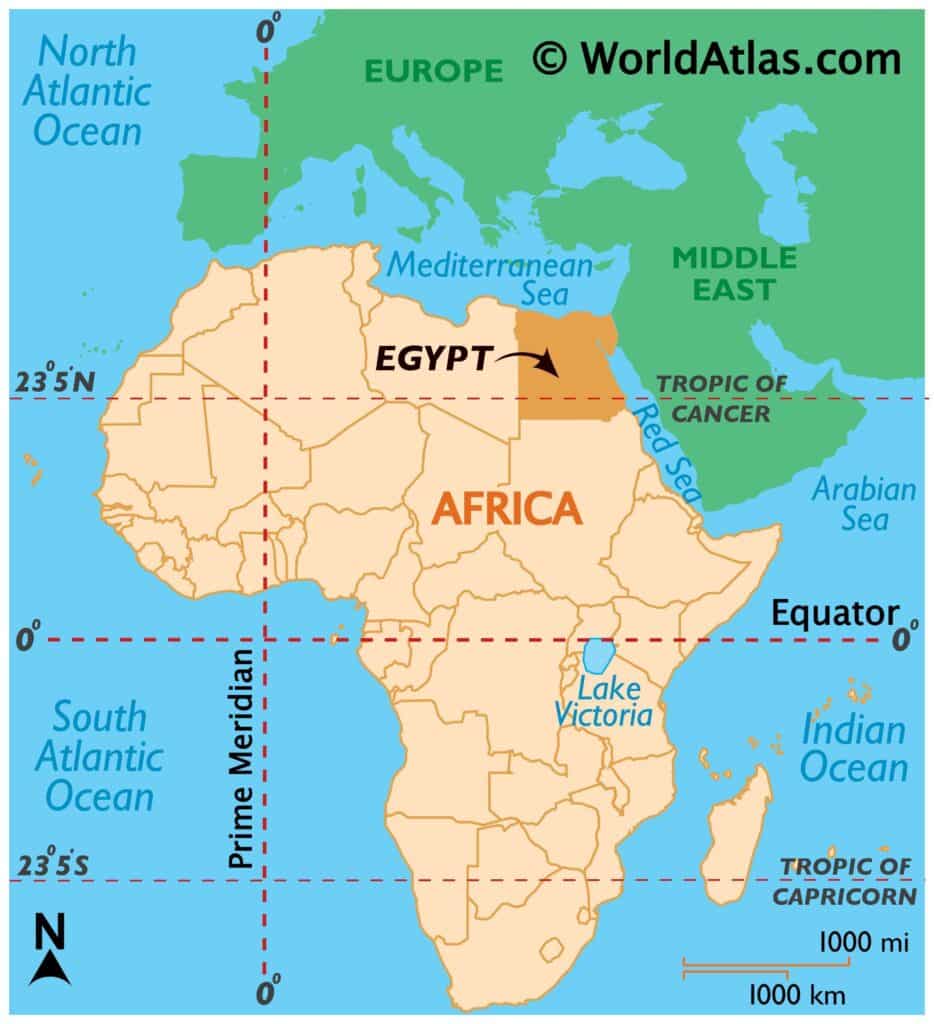
- After the First World War, Saad Zaghlul and the Wafd Party led the Egyptian nationalist movement to a majority in the local Legislative Assembly.
- When the British exiled Zaghlul and his associates to Malta on 8 March 1919, the country rose up in its first modern revolution. The revolt led the UK government to issue a unilateral declaration of Egypt’s independence on 22 February 1922.
- The new government drafted and implemented a constitution in 1923, based on a parliamentary system, and Saad Zaghlul was popularly elected Prime Minister of Egypt in 1924.
- In 1936, the Anglo-Egyptian Treaty was concluded. Continued instability, driven by lingering British influence and growing royal interference in politics, led to the dissolution of parliament in a military coup — the 1952 Revolution — in which the Free Officers Movement forced King Farouk to abdicate in favour of his son, Fuad. British military presence in Egypt lasted until 1954.
- Following the 1952 Revolution, rule of Egypt passed into military hands, and on 18 June 1953, the Egyptian Republic was declared, with General Muhammad Naguib as its first President.
17. Sudan
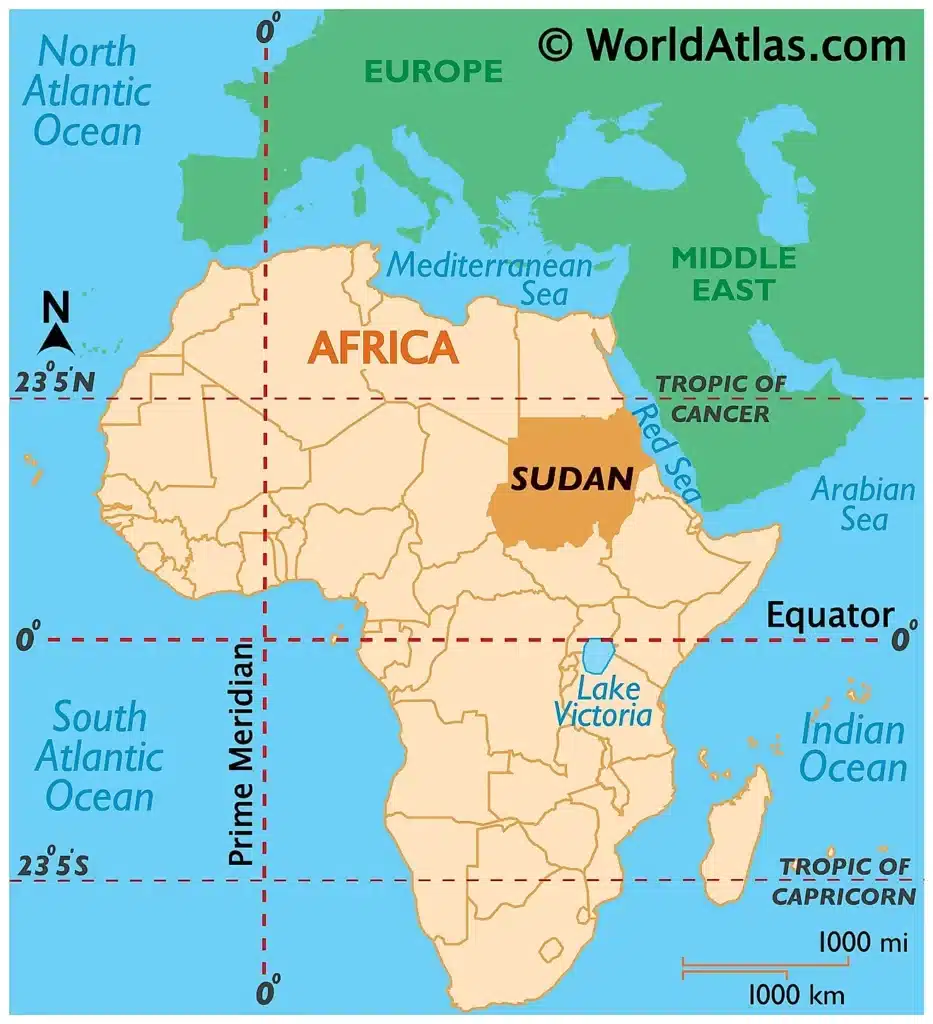
- In 1899, Britain and Egypt reached an agreement under which Sudan was governed by a governor-general appointed by Egypt with British consent — in practice, Sudan was effectively administered as a British colony. The British sought to reverse the earlier process, begun under Muhammad Ali Pasha, of uniting the Nile Valley under Egyptian leadership, and worked to frustrate further efforts at unification.
- During the Second World War, Sudan was directly involved militarily in the East African Campaign. The Sudan Defence Force (SDF), formed in 1925, actively resisted the Italian incursions into Kassala and other border areas from Italian East Africa in 1940, and, in 1942, participated in the British and Commonwealth invasion of the Italian colony.
- From 1924 until independence in 1956, the British ran Sudan as two essentially separate territories — a Muslim north and a Christian south.
- Continued British administration of Sudan fuelled an increasingly strident nationalist backlash in Egypt, with Egyptian leaders determined to force British recognition of a single independent union of Egypt and Sudan.
- With the formal end of Ottoman rule in 1914, Hussein Kamel was declared Sultan of Egypt and Sudan, as was his brother and successor, Fuad I — both continued to insist on a single Egyptian-Sudanese state even after the Sultanate was retitled the Kingdom of Egypt and Sudan, though the British continued to frustrate these efforts.
- The Egyptian Revolution of 1952 finally set in motion Sudan’s march towards independence. Having abolished the monarchy in 1953, Egypt’s new leaders — Muhammad Naguib, whose mother was Sudanese, and later Gamal Abdel Nasser — concluded that the only way to end British domination in Sudan was for Egypt to formally abandon its own claims of sovereignty over it.
- The British, meanwhile, continued their political and financial support for the Mahdist successor Sayyid Abdel Rahman, believing he could resist Egyptian pressure for Sudanese independence. Though Rahman held out, his regime was plagued by political ineptitude that cost him support across northern and central Sudan. Sensing growing instability, Egypt and Britain agreed to let Sudanese in both the north and south vote freely on independence and on whether they wished for a British withdrawal.
- The resulting polling process produced a democratic parliament, and Ismail al-Azhari was elected Sudan’s first Prime Minister, leading the country’s first modern government.
18. Libya
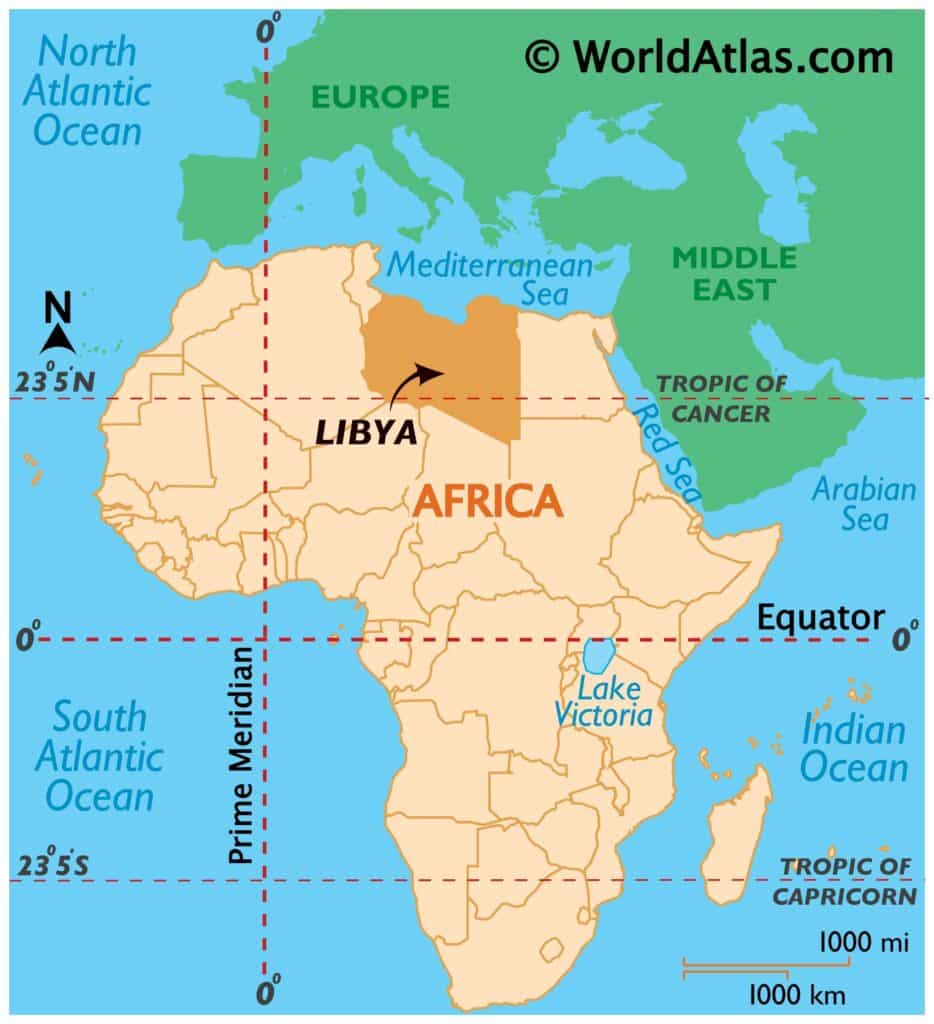
- In 1934, Italy adopted the name “Libya” as the official name of its colony, comprising the three provinces of Cyrenaica, Tripolitania and Fezzan.
- Omar Mukhtar led the resistance against Italian colonisation and became a national hero despite his capture and execution on 16 September 1931.
- Idris al-Mahdi as-Senussi — later King Idris I, Emir of Cyrenaica — led Libyan resistance to Italian occupation through the interwar years.
- Italy entered the Second World War in June 1940, and Libya became the setting for the hard-fought North African Campaign, which ended in defeat for Italy and its German ally in 1943.
- From 1943 to 1951, Libya was under Allied occupation — the British administered the former Italian provinces of Tripolitania and Cyrenaica, while the French administered Fezzan.
- Idris returned from exile in Cairo in 1944 but declined to take up permanent residence in Cyrenaica until certain aspects of foreign control were lifted in 1947. Under the terms of the 1947 peace treaty with the Allies, Italy relinquished all claims to Libya.
- King Idris I led the country to independence in 1951, becoming its first head of state. On 24 December 1951, Libya declared its independence as the United Kingdom of Libya.