

- India grows a wide variety of food and non-food crops, depending on differences in soil, climate and cultivation practice.
- Crops can be classified by type of produce, climate, growing season, life span and water availability.
- The agricultural crop year in India runs from July to June, and three seasons divide it.
- In 2023-24, food crops took 73.9% of the gross cropped area, and foodgrains alone 62.4%.
Agricultural Seasons in India
| Season | Sowing | Harvest | Water and weather | Major crops |
|---|---|---|---|---|
| Kharif | Onset of monsoon | September–October | Monsoon rain | Paddy, maize, jowar, bajra, tur, moong, urad, cotton, jute, groundnut, soybean |
| Rabi | October–December | April–June | Winter rain, irrigation | Wheat, barley, peas, gram, mustard |
| Zaid | February–March | April–June | Mainly irrigation | Watermelon, muskmelon, cucumber |
Kharif
- Kharif crops are sown as the monsoon arrives in different parts of the country.
- Important rice regions: Assam, West Bengal, coastal Odisha, Andhra Pradesh, Telangana, Tamil Nadu, Keralam (Kerala) and Maharashtra (particularly the Konkan coast), along with Uttar Pradesh and Bihar.
- Paddy has recently become an important crop of Punjab and Haryana too.
- Assam, West Bengal and Odisha grow three crops of paddy a year: Aus, Aman and Boro.
Rabi
- Rabi crops are sown in winter and harvested in summer.
- They grow across much of India, but the north and north-west matter most for wheat and other rabi crops: Punjab, Haryana, Himachal Pradesh, Jammu and Kashmir, Uttarakhand and Uttar Pradesh.
- Two things help:
- Winter precipitation from western temperate cyclones, known in India as Western Disturbances.
- The success of the Green Revolution in Punjab, Haryana, western Uttar Pradesh and parts of Rajasthan.
Zaid
- Zaid is the short summer season between rabi and kharif, in which short-duration crops are grown mainly under artificial irrigation.
- Beyond melons and cucumber, it also carries some rice, maize, groundnut, vegetables and fruits, and some pulse varieties bred for summer.
Crop Classification
Classification Based on Type of Produce
- Food crops are plants grown to provide food for people.
- Examples: rice, wheat, maize, millets (jowar, bajra, ragi) and pulses (gram, tur).
- Cereals are grass-like plants with starchy edible seeds of high food value.
- Cash crops are grown to be sold for profit, and are typically bought by parties outside the farm.
- Examples: cotton, jute, sugarcane, tobacco and oilseeds (groundnut, linseed, sesamum, castor seed, rapeseed, mustard).
- Plantation crops are grown on large estates specialising in cash crops.
- Examples: tea, coffee, coconut, areca nut, rubber and spices.
- Horticulture covers plants raised mainly for food, materials, comfort and beauty.
- Examples: vegetables such as onion and tomato, and fruits such as apple, orange, mango, banana and citrus.

- Among the spices on this table, cardamom and pepper are the true estate crops. Chillies, ginger and turmeric are grown mostly on ordinary farmland.

Classification Based on Climate
| Basis | Tropical | Temperate |
|---|---|---|
| Climate | Warm and hot | Cool |
| Day-length response | Short day | Long day |
| Examples | Rice, sugarcane, jowar | Wheat, oats, gram, potato, apple |


Classification Based on Growing Season
| Basis | Kharif (rainy or monsoon) | Rabi (winter or cold) | Summer (zaid) |
|---|---|---|---|
| Growing months | June to October–November | October to March | March to June |
| Weather needed | Warm and wet | Cold and dry | Warm and dry |
| Examples | Cotton, rice, jowar, bajra | Wheat, gram, sunflower | Groundnut, watermelon, pumpkin, gourds |

- Rabi sowing generally follows the retreat of the monsoon, from October to December.
Classification Based on Life or Duration of Crops
| Type | Life cycle | Examples |
|---|---|---|
| Seasonal | One season, about 3–4 months | Rice, jowar, wheat |
| Two-seasonal | Two seasons, about 6–8 months | Cotton, turmeric, ginger |
| Annual | One full year | Sugarcane |
| Biennial | Two years | Banana, papaya |
| Perennial | Several years | Fruit crops such as mango and guava |

Classification Based on Water Availability
| Basis | Rainfed crops | Irrigated crops |
|---|---|---|
| Water source | Rain alone | Constant supply through irrigation |
| Yield and risk | Low yield, but less affected by rainfall variation | Higher yield, with heavy demand for water |
| Main hazard | Water stress from monsoon breaks, which may cause partial or total failure | High investment and transport needs |
| Examples | Jowar, bajra, moong | Chilli, sugarcane, banana, papaya |
- Rainfed crops save farmers from some of the risk of dry farming.
- Water stress may come from rainfall variability, delayed sowing, differences in crop management and soil type.
- Irrigated crops cannot rely on the season alone. Citrus and flowers, as well as rice, need abundant water.
- The vine and the olive may be grown either way, though irrigation gives far more.
- About 59.9% of the gross cropped area was irrigated in 2023-24. Coverage varies widely by crop:
| Share of crop area irrigated, 2023-24 (%) | Crops |
|---|---|
| Over 90 | Sugarcane 96.8, wheat 95.5 |
| 50–90 | Rice 69.5, cotton 50.7 |
| Under 50 | Maize 42.2, all pulses 34.9, jowar 23.8, bajra 19.2, tur 14.1, soybean 10.7 |


- The rainfed and dryland side of this division has its own farming system.
Types of Crops in India
- The geography of each crop, with its States and output, is set out in the study of the cropping pattern of India.
Millets
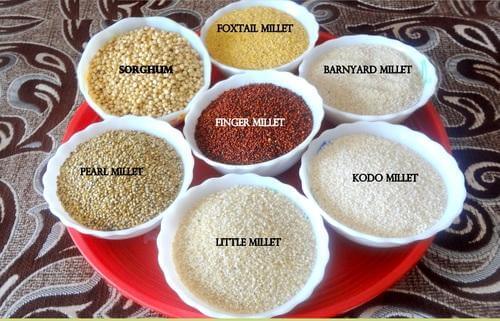
- Millets are a staple of poorer people, and are also known as coarse grains with high nutritional value.
- Major millets are sorghum (jowar), pearl millet (bajra) and finger millet (ragi).
- Top producing States: an older order ran Rajasthan, Karnataka, Maharashtra, Madhya Pradesh, Uttar Pradesh. For 2024-25, official notes name Rajasthan, Maharashtra and Karnataka as the leaders.
Pulses or Legumes
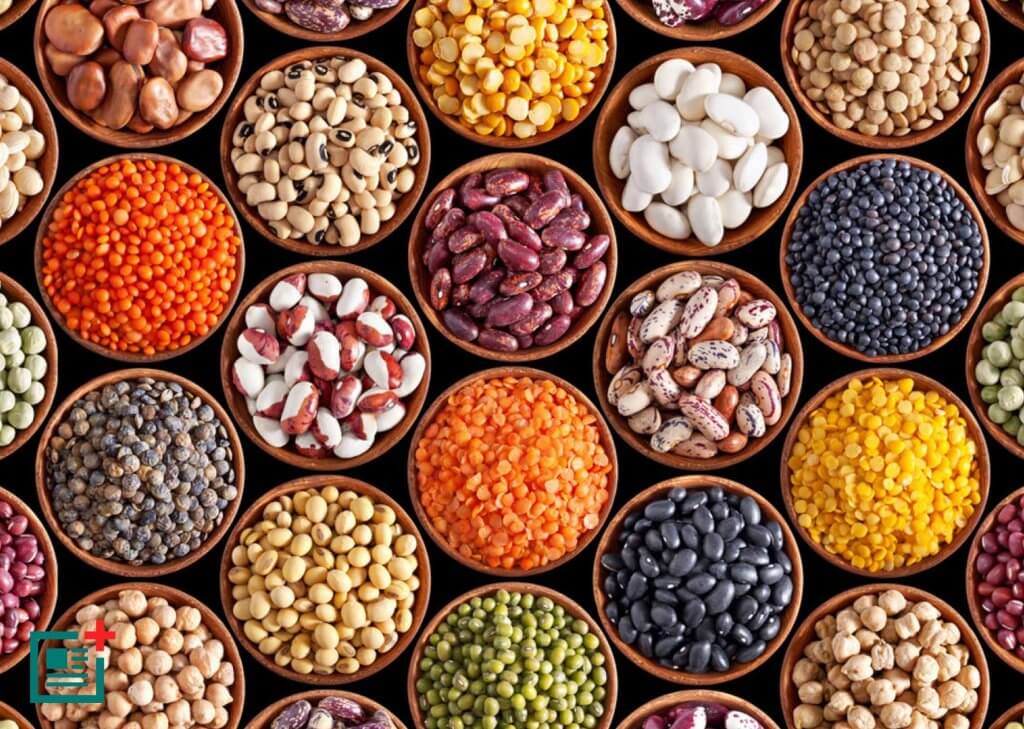
- Pulses are a major source of protein.
- Temperature: 20–27°C.
- Rainfall: about 25–60 cm.
- Soil type: sandy-loamy.
- Major pulses are tur (arhar), urad, moong, masur, peas and gram.
- As legumes, they fix nitrogen from the air and restore soil fertility, so they are mostly grown in rotation with other crops.
- Arhar fixes nitrogen as well, although older accounts exempt it.
Oilseed Crops
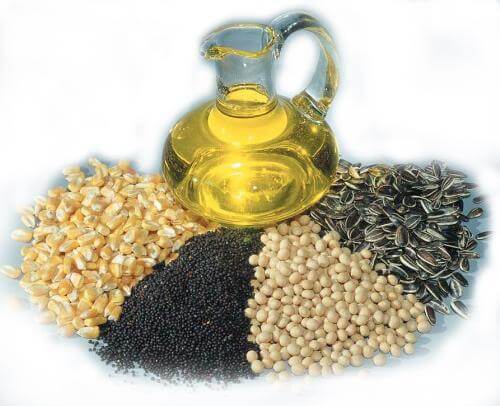
- Oilseeds covered about 12% of the total cropped area in older figures, and 15.13% in 2022-23.
- The main ones are groundnut, mustard, coconut, sesamum (til), soybean, castor seed, cotton seed, linseed and sunflower.
- Most are edible and serve as cooking media.
- Some are raw material for soap, cosmetics and ointments.
- Other examples are rapeseed and peanut, as groundnut is also called.
Sugar Crops: Sugarcane and Sugar Beet
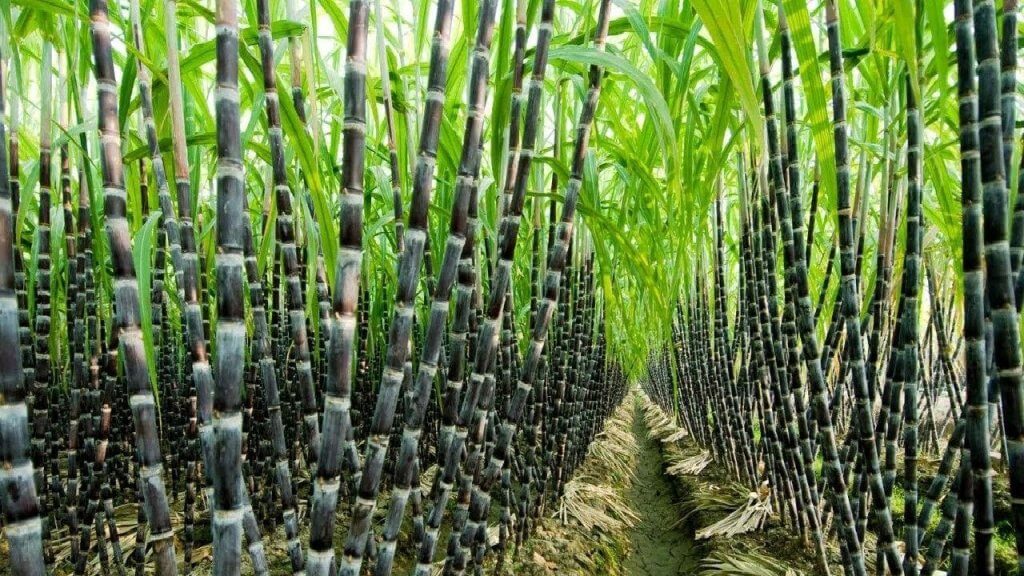
- Sugarcane is a tropical and subtropical crop that does well in a hot, humid climate, at 21–27°C with annual rainfall of 75–100 cm.
- It needs irrigation where rain is low.
- Many soil types suit it.
- Sugar beet is the other sugar crop.
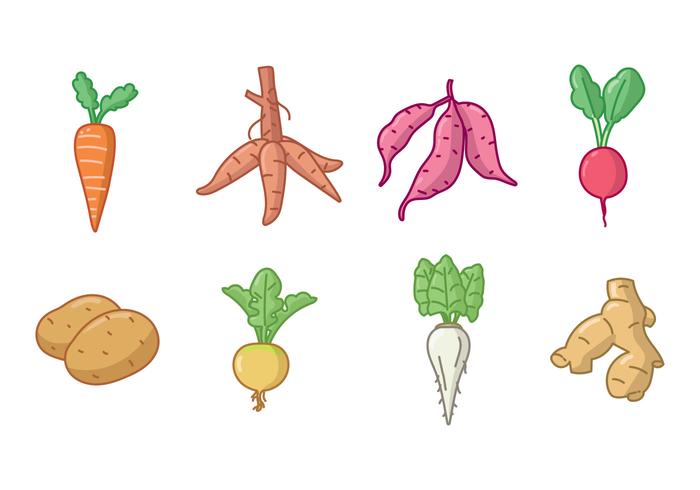
Starch or Tuber Crops
- This group covers root crops, such as beets and carrots, and tuber crops, such as potatoes and sweet potatoes, as well as the leaves of root crops, such as beet tops.
- Examples: potato, cassava, sweet potato and radish.
Fibre Crops
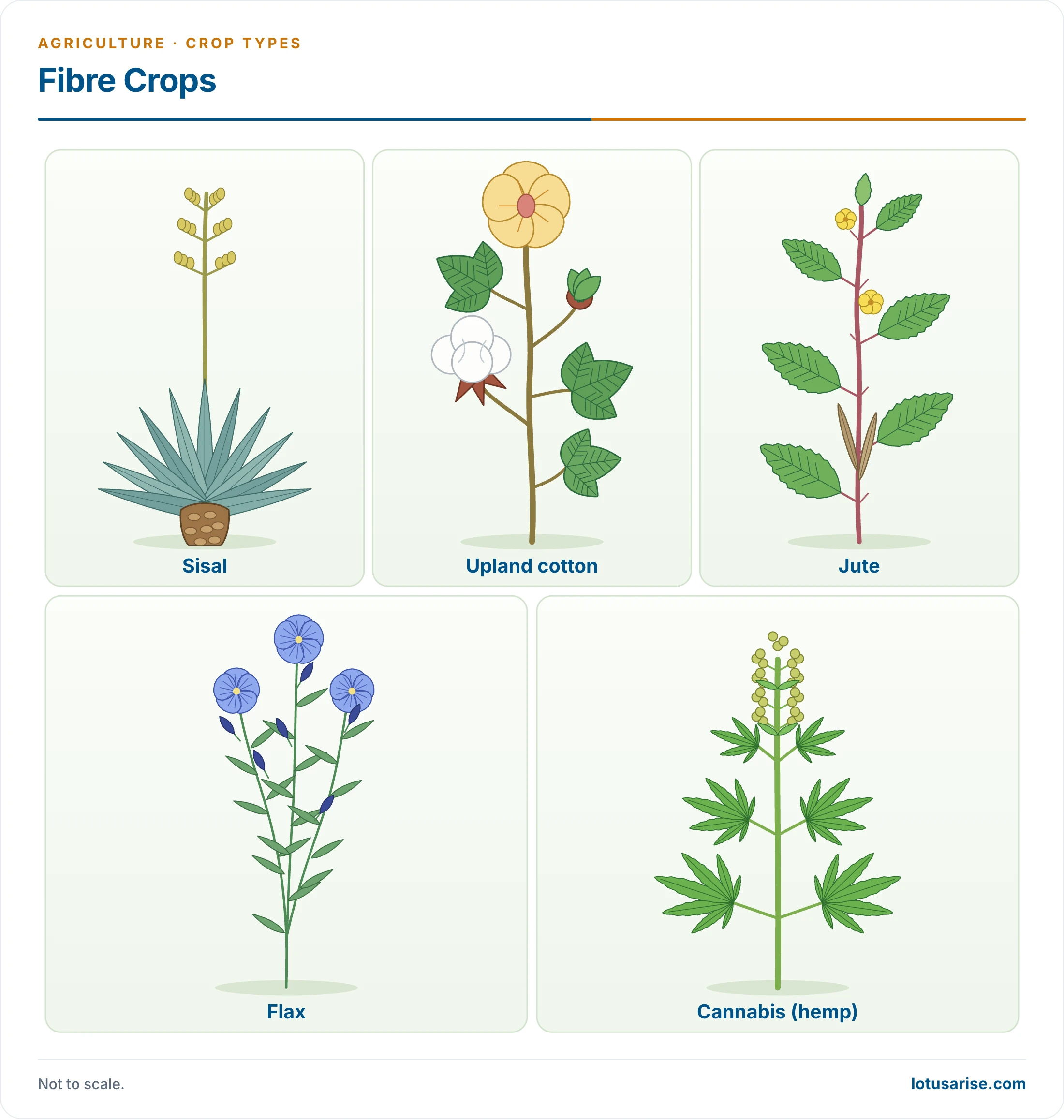
- Fibre crops are field crops grown for their fibres, traditionally used to make paper, cloth or rope.
- A high share of cellulose gives the fibres their strength.
- The fibres may be chemically modified, as in viscose, used to make rayon and cellophane.
- Examples: cotton, jute, mesta, sun hemp and sisal hemp.
Plantation Crops
- A plantation is a large farm or estate, usually in a tropical or subtropical country, growing crops mainly for sale in distant markets.
- Their traits set them apart:
- They are not annual, and returns usually begin after 3–5 years. They then yield for some 35–40 years.
- They need heavy initial capital and high technology.
- Their area is small, but their economic value is high.
- Examples, with the part used: tea (leaf), coffee (seed), rubber, cocoa (seed), palm (oil), sugarcane and coconut.
- Estate farming as a world system is treated under plantation agriculture.
Spices
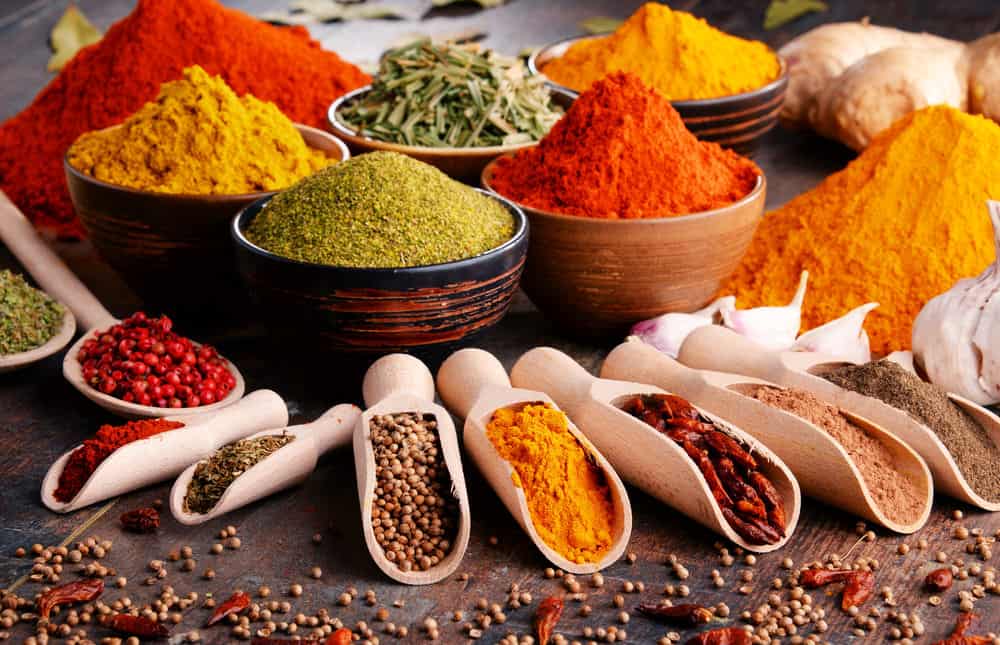
- A spice is a seed, fruit, root, bark or other plant substance used mainly for flavouring, colouring or preserving food.
- Examples: ginger, garlic, chilli, cumin, onion, coriander, cardamom, pepper and turmeric.
- Spices are grouped with horticulture in official statistics.
Previous Year Questions
- No direct PYQ has been asked on this sub-topic yet.





Wonderful article
superb article i like it