Q. Consider the following statements in respect of probiotics :
- Probiotics are made of both bacteria and yeast.
- The organisms in probiotics are found in foods we ingest but they do not naturally occur in our gut.
- Probiotics help in the digestion of milk sugars.
Which of the statements given above is/are correct?
- 1 only
- 2 only
- 1 and 3
- 2 and 3
Answer: (c) 1 and 3
Probiotics
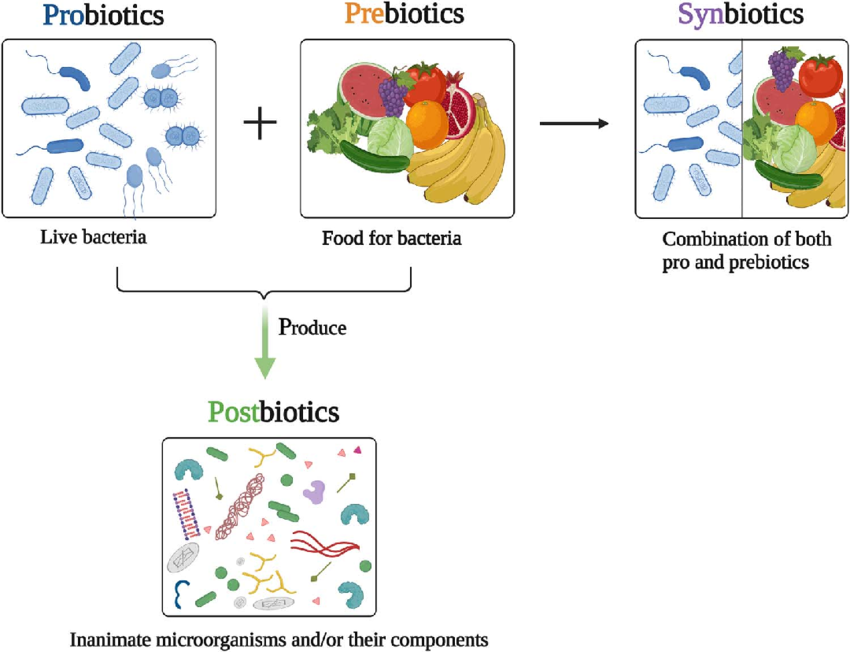
- Probiotics are live microorganisms that are intended to have health benefits when consumed or applied to the body. They can be found in yogurt and other fermented foods, dietary supplements, and beauty products.
- Probiotics are live bacteria and yeasts that are thought to be beneficial in preventing several health conditions. They are usually consumed as supplements or yoghurts and are also referred to as “good bacteria.”.
- Probiotics are beneficial in the following ways:
- Stronger immune system
- Improved digestion
- Increased energy from the production of vitamin B12
- Better breath because probiotics
- Healthier skin
- Reduced cold and flu
- Healing from leaky gut and inflammatory bowel disease
- Weight loss
- The different types of friendly bacteria include Lactobacillus acidophilus, Lactobacillus bulgarius Lactobacillus reuteri, etc.
- They are available to our body by consuming probiotics like Kefir, yoghurt, raw cheese, etc.
- Yogurt is a well-known food source of probiotics. Certain strains of bacteria in yogurt have ß-D-galactosidase, which is an enzyme that helps break down lactose in dairy products into the sugars glucose and galactose. Thus Probiotics help in the digestion of milk sugars.
- Probiotics are foods that are made up of good live bacteria or yeasts that naturally stay in the human body.
- The human body is a host to good and bad bacteria.
- Whenever one gets an infection, there are more bacteria that are bad.
- Probiotics are foods that are made up of good live bacteria or yeasts that naturally stay in the human body. Probiotics are a combination of live beneficial bacteria and/or yeasts.
- Probiotics live naturally in your body. L. acidophilus is a probiotic bacteria that naturally occur in the human gut. The most common place linked to beneficial microbes in your gut (mostly large intestines), but there are other places like the mouth, urinary tract, skin, lungs, etc where these probiotics are found.
Prebiotics
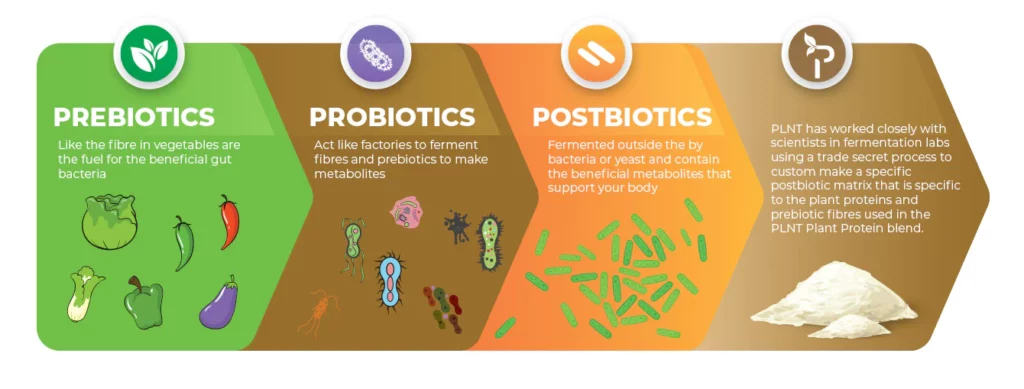
- Prebiotics are the fiber (or food) for the beneficial gut inhabitants. Probiotics need access to these prebiotics to work effectively. Prebiotics are food sources for probiotics found in your body. Most are fibers and sugars that good bacteria can eat but which your body can’t digest.
- Prebiotics are found in foods such as:
- Whole wheat
- Dietary supplements
- Bananas
- Soybeans
- Greens
- Your body can’t digest the fiber in these foods on its own. Healthy bacteria help your body break down and process foods rich in fiber. This process happens in the large intestines. The fiber provides nutrients to the bacteria and fungi in the intestines.
- Prebiotics improve your health. After your gut bacteria process these sugars and fibers, they contribute to good nutrition and a healthy lifestyle. Some of the health benefits are:
- Fewer infections
- Healthier heart and metabolism
- Mineral availability
- Modulate the immune system
Postbiotics
- Postbiotics are the helpful chemicals released from the bacteria that live in your gut when they feed on fiber molecules.
- When probiotics feed on prebiotics they produce postbiotics. Postbiotics are formed through fermentation. The fermentation process happens when the food is processed and in the intestines. Postbiotics have several uses.
- They can be found in foods such as:
- Sauerkraut
- Fermented soybean soup
- Soft Cheeses
- Slow fermented bread
- Buttermilk
- Postbiotics can help:
- Prevent infections
- Lower the risks of heart diseases
- Reduce inflammation
- Strengthen your immune system
- Fight cancerous cells